Apple’s iPad lineup looks different in 2026, with an OLED mini, a capable M4 Air, and an expensive M5 Pro. We compare prices, performance, displays, and accessories to help you choose the right iPad.
Serving tech enthusiasts for over 25 years. TechSpot means tech analysis and advice you can trust.
Apple’s iPad lineup has an unusual pecking order in 2026. The newest iPad mini packs an OLED display and the A20 Pro chip, while the larger iPad Air still uses an LCD. With current discounts, the Air can even cost less. Meanwhile, a round of price hikes has pushed the entry-level iPad to $449 and the Pro into territory where a MacBook starts to look tempting.
The result is that there’s no obvious best iPad for everyone. We still believe Apple leads the way in tablets, thanks to hardware and software that work remarkably well together. But which model is best for you? That’s what this guide is for.
We’ve updated our guide to reflect the latest models, prices, and accessories. Below is a side-by-side look at the current lineup, followed by the trade-offs that matter most when deciding which iPad is worth your money.
| Model | iPad | iPad Mini | iPad Air M4 | iPad Pro M5 |
| Generation | 11th-gen | 8th-gen | 8th-gen | 8th-gen |
| Release Date | Mar 2025 | Nov 2026 | Mar 2026 | Oct 2025 |
| MSRP / Amazon | $449 / $399 | $699 / $699 | $749 / $649 | $1,199 / $1,099 |
| Processor | A16 | A20 Pro | M4 | M5 |
| Display Size | 10.9″ | 8.5″ | 10.9″ or 12.9″ | 11″ or 13″ |
| Display Technology | 60Hz LCD | 60Hz OLED | 60Hz LCD | 120Hz OLED |
| Min / Max Storage | 128GB / 512GB | 128GB / 512GB | 128GB / 1TB | 256GB / 2TB |
| Keyboard | Magic Keyboard Folio | n/a | Magic Keyboard for iPad Air | Magic Keyboard for iPad Pro |
| Pencil | 1st-gen & USB-C | Pencil Pro & USB-C | Pencil Pro & USB-C | Pencil Pro & USB-C |
Is the base iPad all you need?
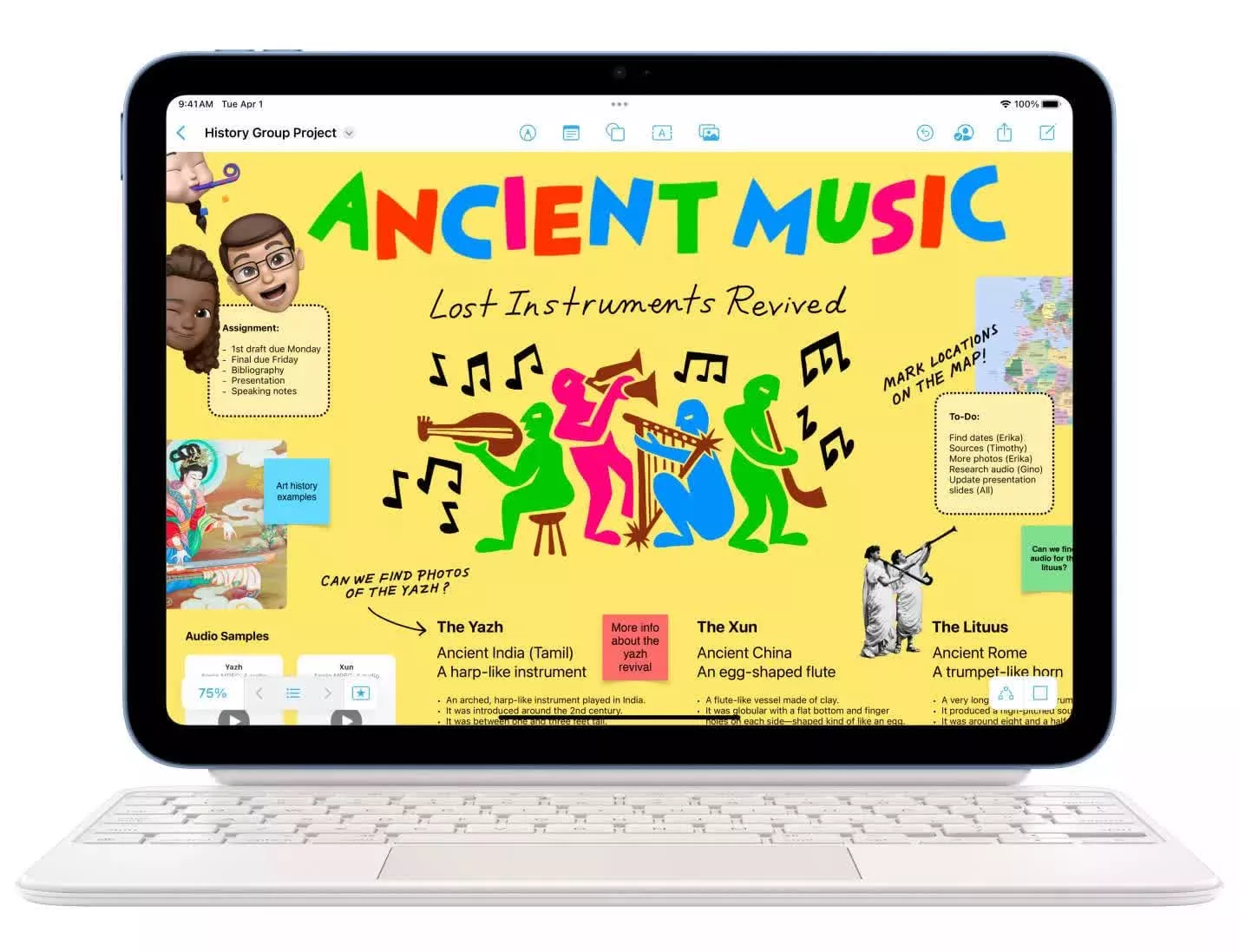
If you’re looking for a great tablet for watching videos and browsing the web, the basic and most affordable iPad will cover your needs well. The base iPad has the same display resolution (2360 x 1640) and maximum brightness (500 nits) as the 11-inch iPad Air. Additionally, it features an ultra-wide 12MP front camera, like the other models.
If you want a tablet that can double as a basic laptop, the iPad supports the Magic Keyboard Folio, which includes function keys and a trackpad. While you could get the MacBook Neo for the combined price of the iPad and the keyboard, the iPad can provide a more portable solution if you want a tablet first and foremost, plus it offers a better camera. Although the kickstand design requires more desk space, it allows you to detach the keyboard when needed.
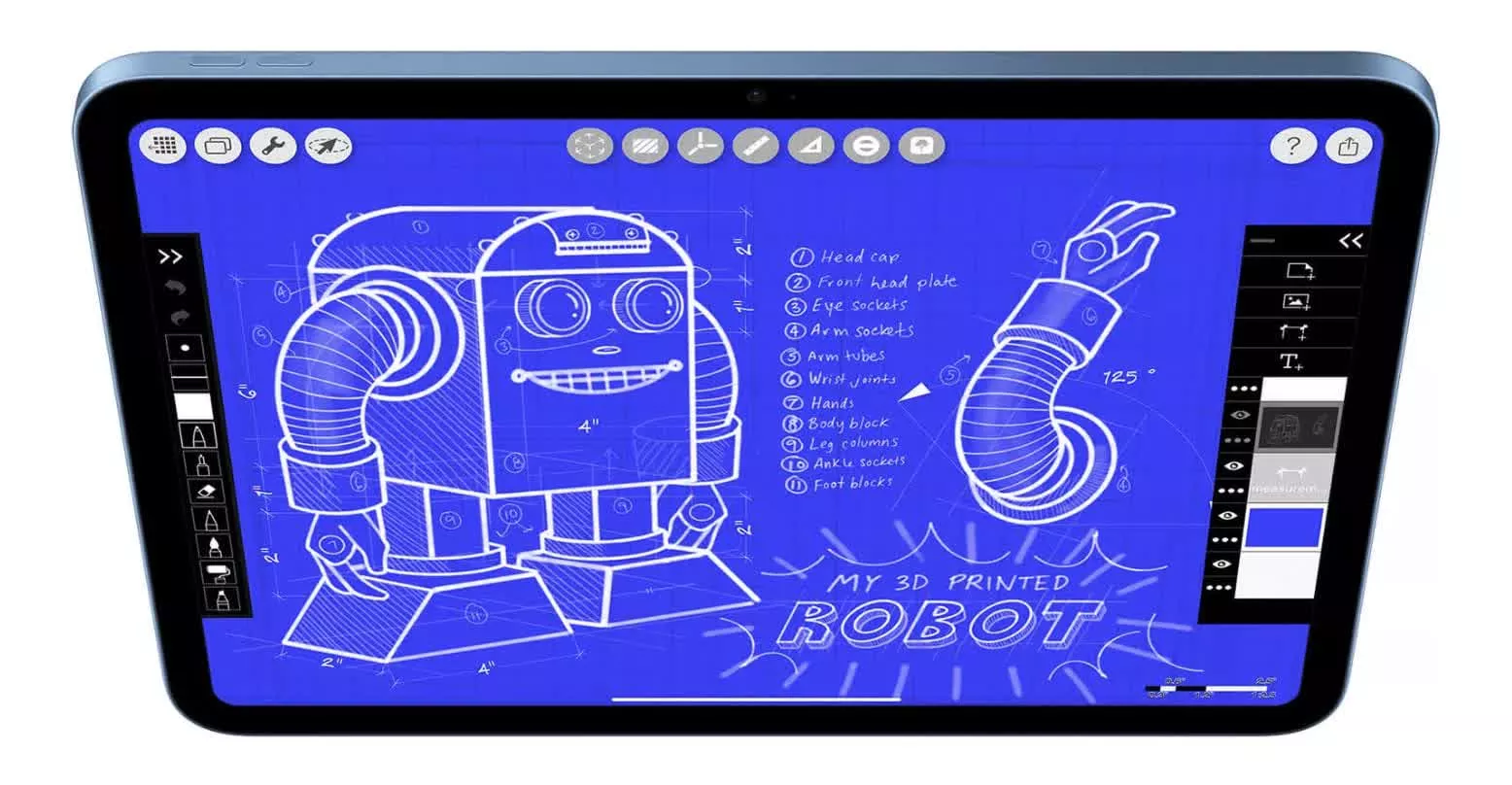
For the price, the base iPad offers impressive features, but it’s not the best choice for everyone. The display lacks an anti-reflective coating, making it less ideal for outdoor use. If you use your iPad for drawing, you’ll appreciate the fully laminated display and broader color gamut available on other models, too.
Most notably, the A16 SoC and 6GB of RAM pale in comparison to the Apple M4 and 12GB offered by the iPad Air. That also makes it the only current model that can’t run Apple Intelligence, which utilizes on-device processing.
Although the iPad includes a USB-C connector, it still supports the 1st-gen Pencil. If you already own the 1st-gen Pencil, you’ll need a $9 adapter to connect it. Alternatively, it supports the more affordable USB-C Pencil, which forgoes pressure sensitivity but attaches magnetically to the iPad’s bezel.
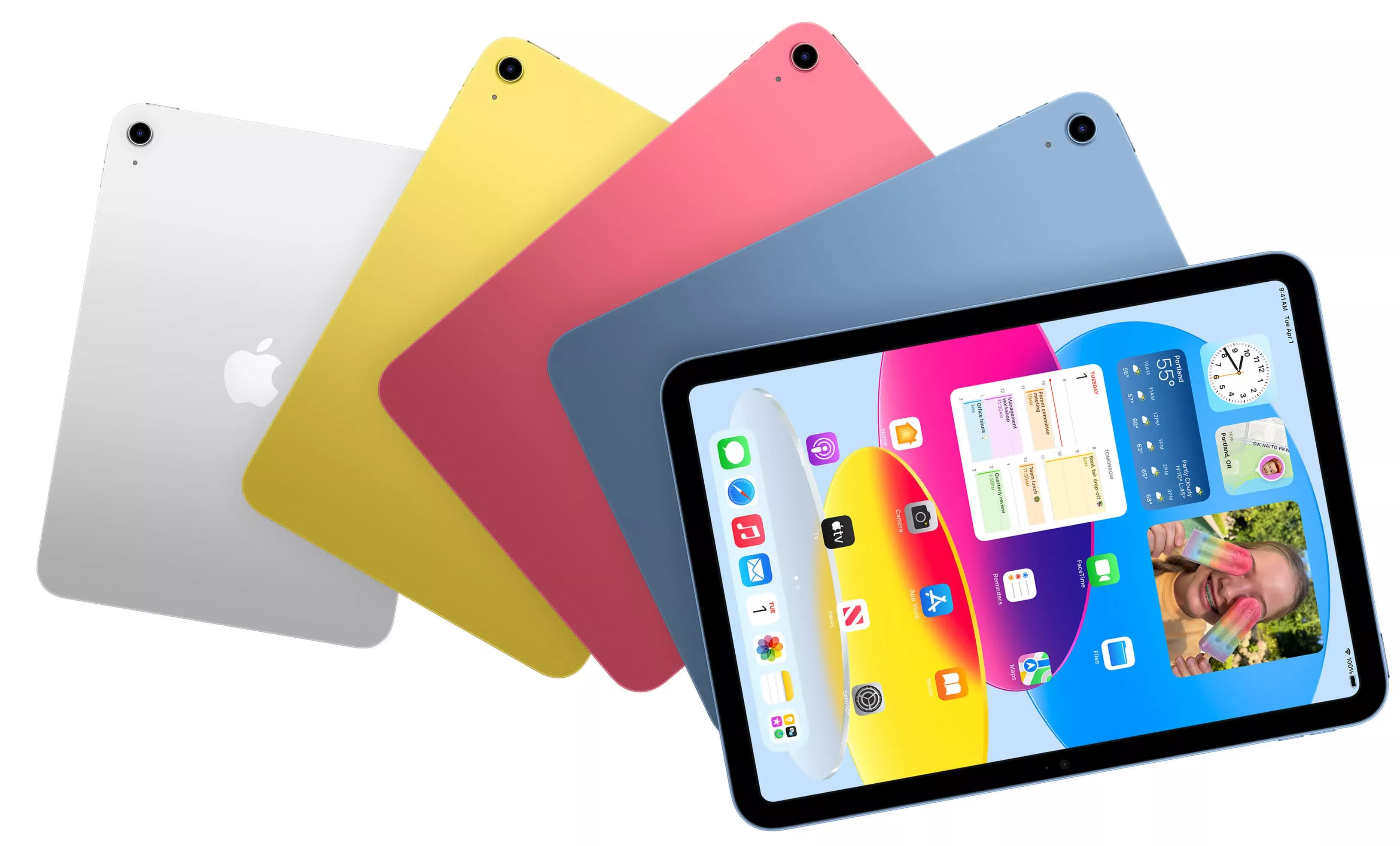
The iPad’s MSRP has been raised to $449 from $349, but can still be had for $399 with the 128GB Wi-Fi model. For an additional $100, you can upgrade to 256GB, and upgrading from 256GB to 512GB costs another $200. Color options include silver, blue, pink, and yellow, offering some vibrant choices even without a case.
The iPad mini goes premium
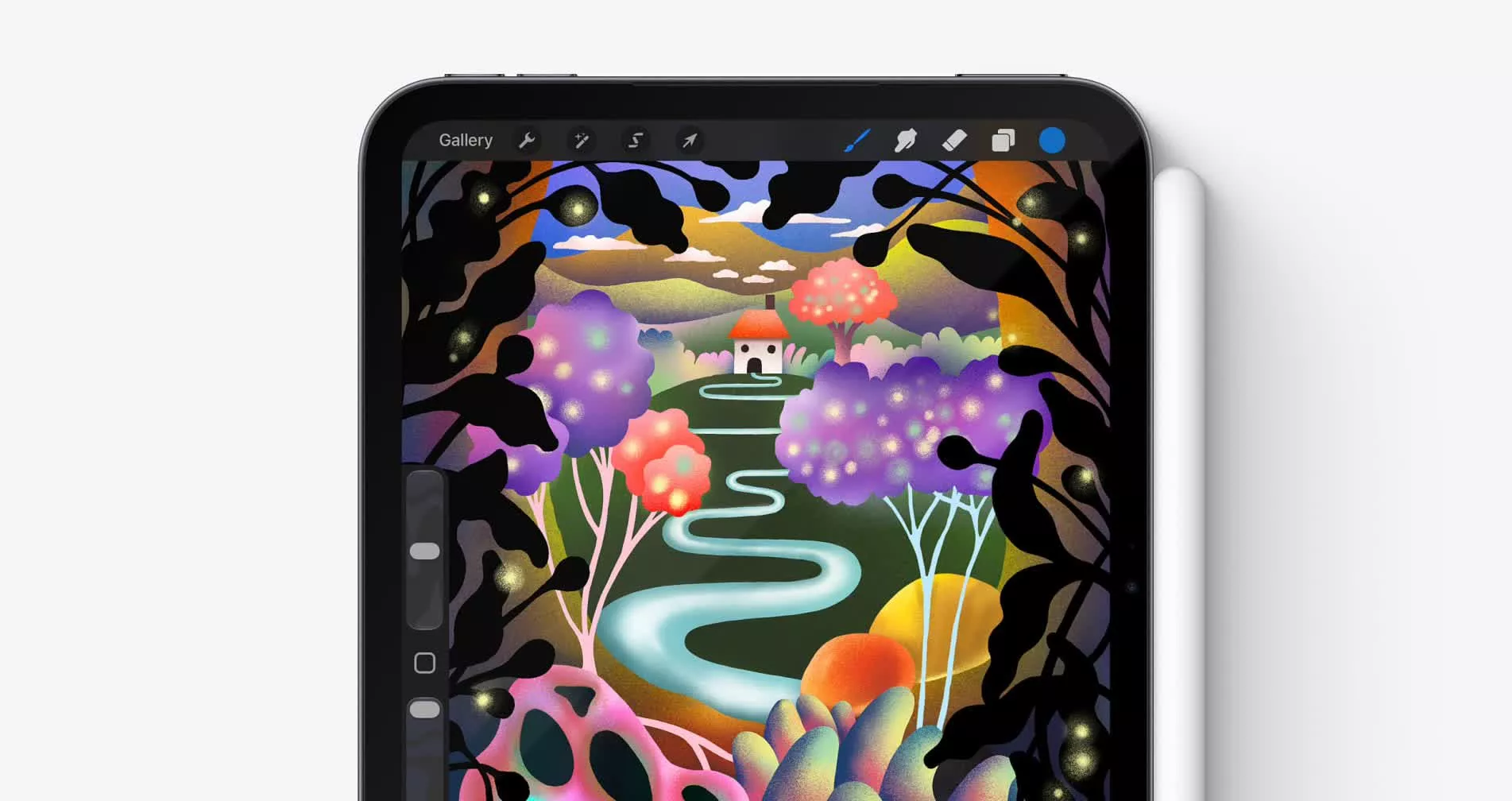
The iPad Mini has been updated in 2026 with the same A20 Pro chip found in the iPhone 18 Pro series, and 12GB of RAM. It outperforms the M4 chip found in the iPad Air in single-core and graphic tasks, although it still trails in multi-core performance.
You’ll struggle to find anything faster in such a small package and at this price, making it a great choice for mobile gaming or 3D modeling on the go.
However, only the 512GB model comes with a fully enabled chip, including two performance cores, four efficiency cores and a dual neural engine. The other versions have one efficiency core and one neural engine disabled.
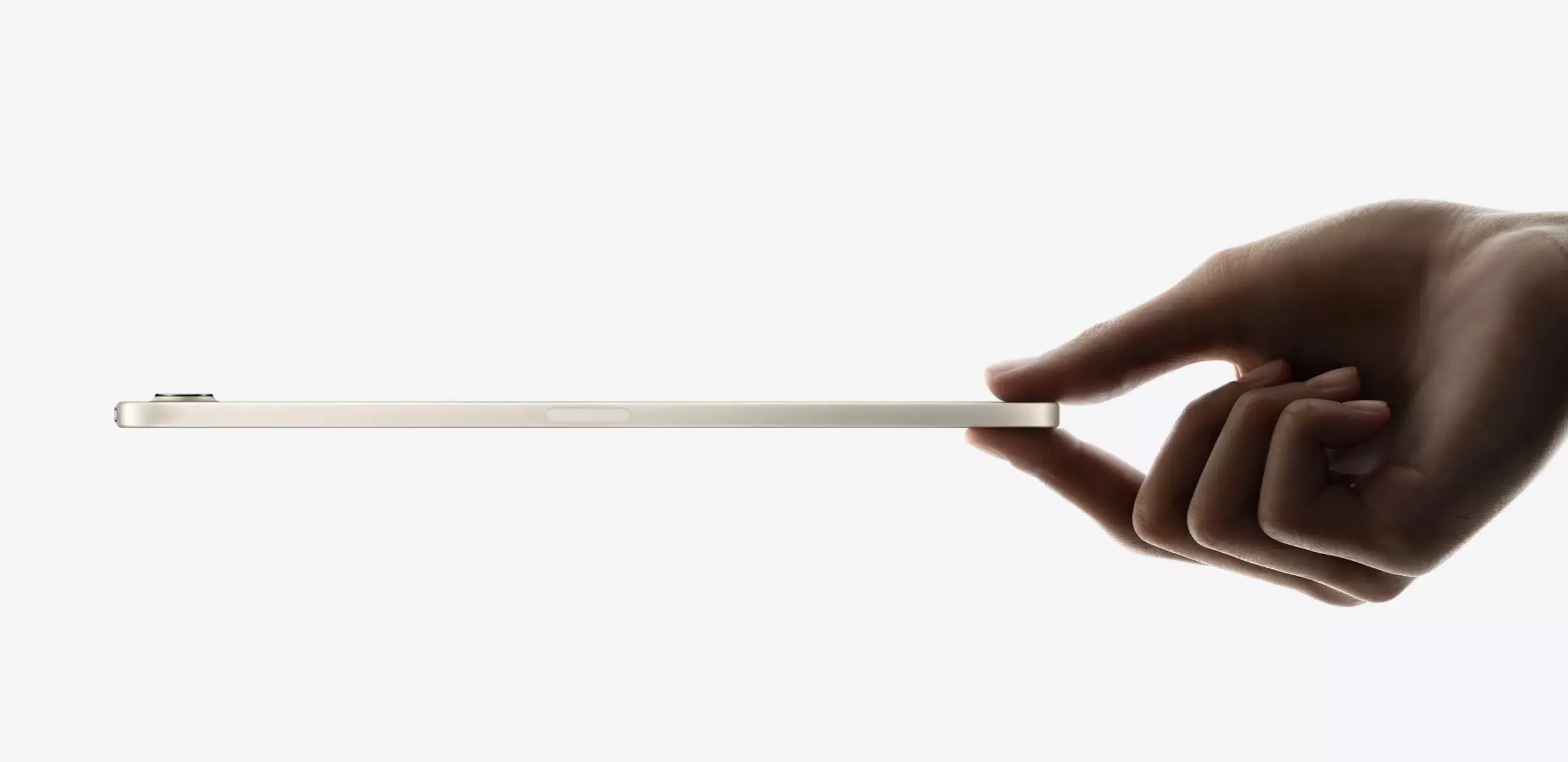
The Mini is among the largest tablets that most adults can comfortably hold in one hand, measuring 7.7 x 5.2 inches (19.5 x 13.3 cm). Thickness has been significantly reduced to 0.21 inch (5.4mm) from 0.25 inch (6.3mm) in the previous, A17-based model. If you need a tablet you can use while standing, the Mini may be your best choice. Strangely, the front camera has been moved to the longer edge, like the other models, making it less ideal for one-handed use.
With a resolution of 2316×1512, the new 8.5-inch display has slimmer bezels than its predecessor and the highest pixel density of any iPad. It uses an OLED panel with 1,200 nits of peak brightness (600 nits for the entire screen) while still being able to display true black at the pixel level.
It’s also the first iPad with an “acoustic display,” which uses vibrations from the screen to help produce sound. By eliminating traditional speaker grilles, Apple has also made the mini IP67-rated for water and dust resistance.

It only supports Bluetooth keyboards, but it does support the wireless Pencil Pro, which adds features like rotation, squeeze, haptic feedback and Find My compatibility. Even with the USB-C version, the Mini supports the mouse-like Pencil hover feature. It supports 35W fast charging, although the included adapter only provides 20W.
Unlike previous Mini models (and like the iPad Pro), the new Mini only comes in two colors: “midnight” and “starlight.” The Mini starts at $699 with 128GB of storage and Wi-Fi. The storage upgrade options are the same as the basic iPad’s. An optional nano-texture display reduces glare for another $100, but is only available on the 256GB and 512GB models.
If you’re interested in the Mini for its size rather than its performance, you can still get the previous model for just $499.
The iPad Air remains the sweet spot
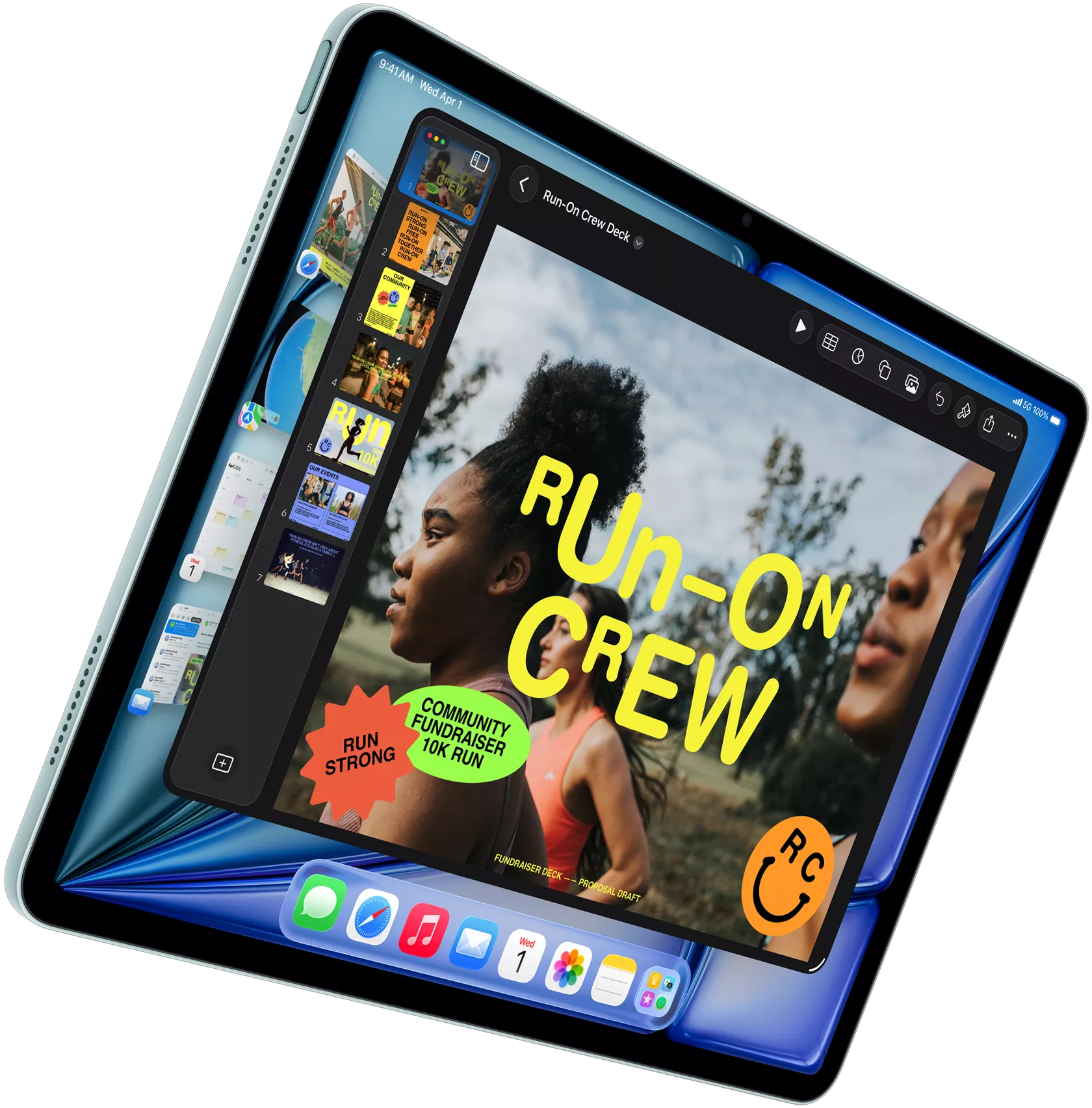
The iPad Air is powered by a cut-down version of Apple’s M4 chip, with three performance cores and five efficiency cores, and 12GB of RAM. It excels in multitasking, video editing, and other demanding tasks, although its LCD display isn’t ideal for HDR work. It’s a good choice if you want something larger than the iPad mini without the limitations of the basic iPad. The Air is compatible with the space-efficient Magic Keyboard as well as the Pencil Pro.
The 11-inch iPad Air currently starts at $649 with 128GB of storage, and for an additional $200, you can upgrade to the 13-inch model. The larger version offers higher maximum brightness (600 nits), enhanced bass, and a 4:3 aspect ratio, which reduces scrolling when held horizontally. A comparable upgrade to the iPad Pro would cost $300.
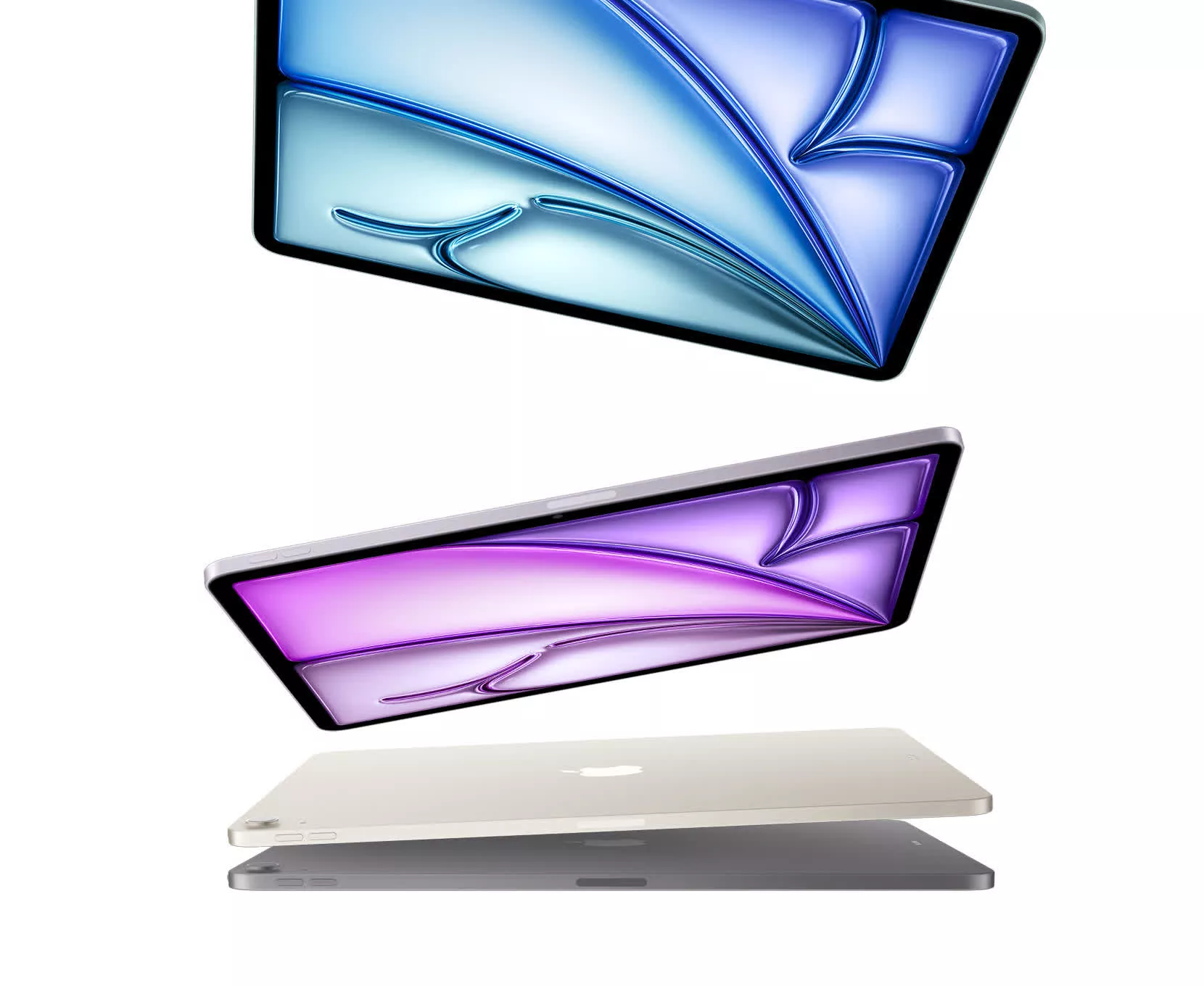
The Air’s color options include starlight, space gray, and subtle shades of blue and purple.
Like the Mini, the Air allows upgrades to 256GB and 512GB of storage. For an additional $300 (up from $200), you can expand from 512GB to 1TB – still a more affordable option than the $400 cost on the iPad Pro.
If you’re looking for an iPad with a 13-inch display and 1TB of storage, the Air can save you hundreds compared to the Pro.
When is the iPad Pro worth the premium?
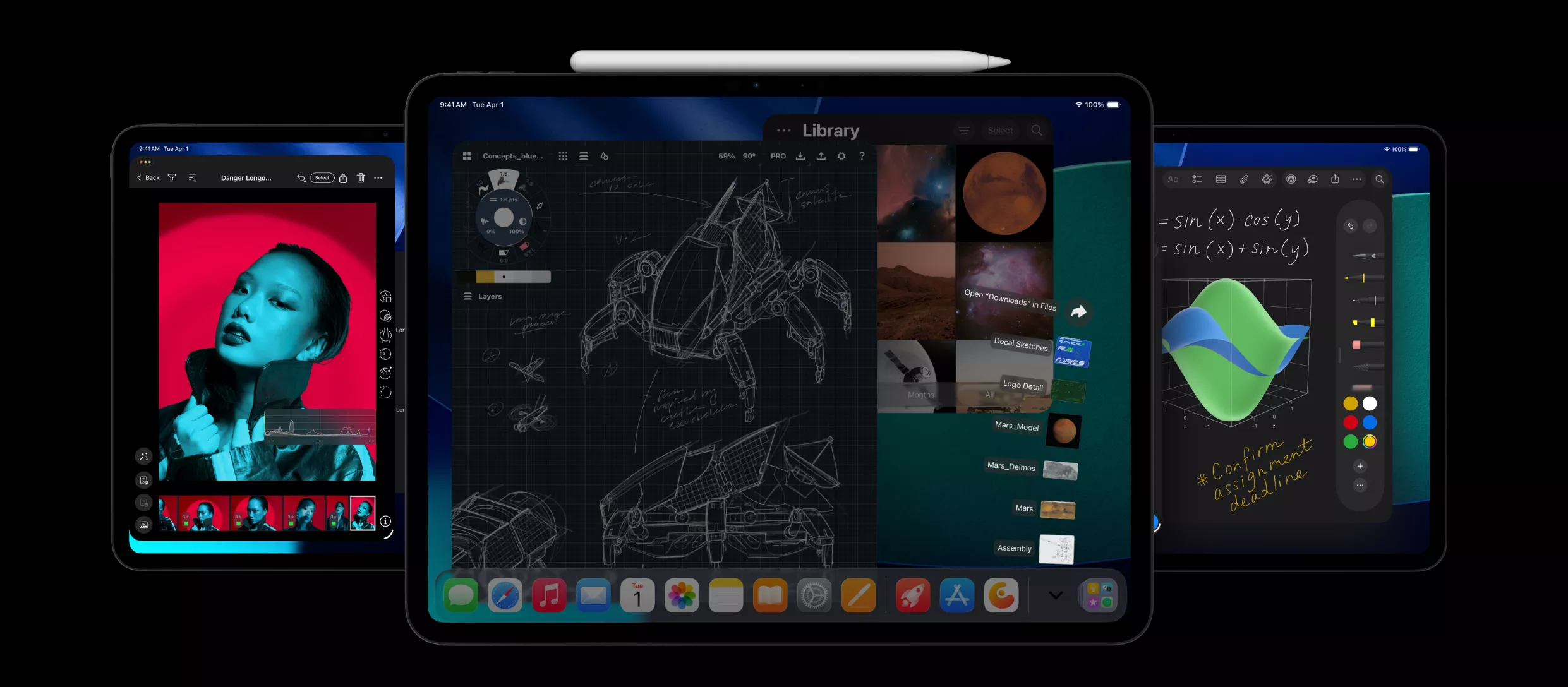
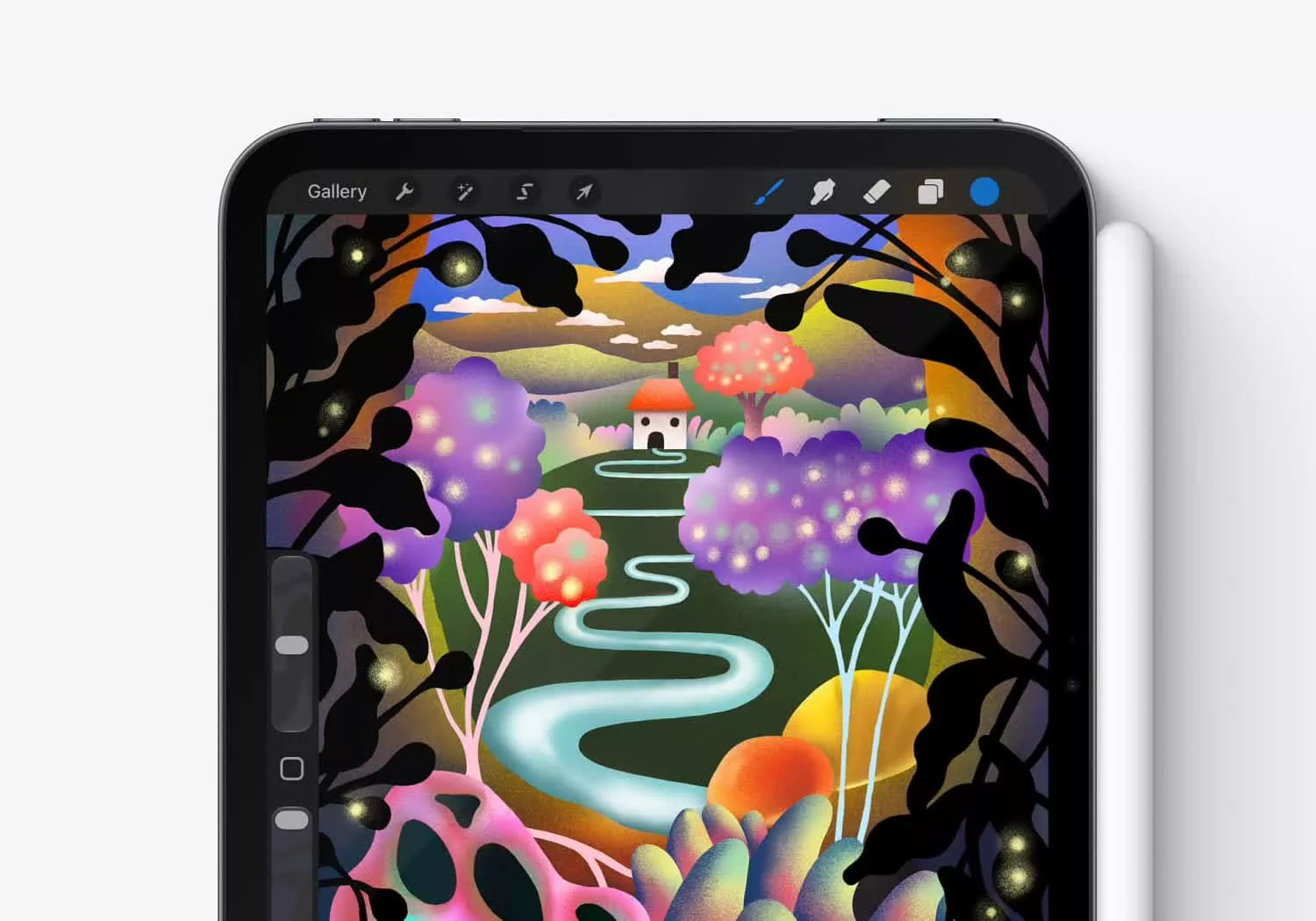
The iPad Pro is designed for professionals who demand top performance. Graphic artists will appreciate the smooth experience of drawing on a 120Hz display. For interior designers who need to show clients room layouts in real time, the built-in LiDAR can be genuinely useful.
Video editors who work on the go may find the Pro to be the device of their dreams. Its tandem OLED display uses two stacked panels to achieve up to 1,600 nits of peak HDR brightness, with 1,000 nits sustained across the entire screen.
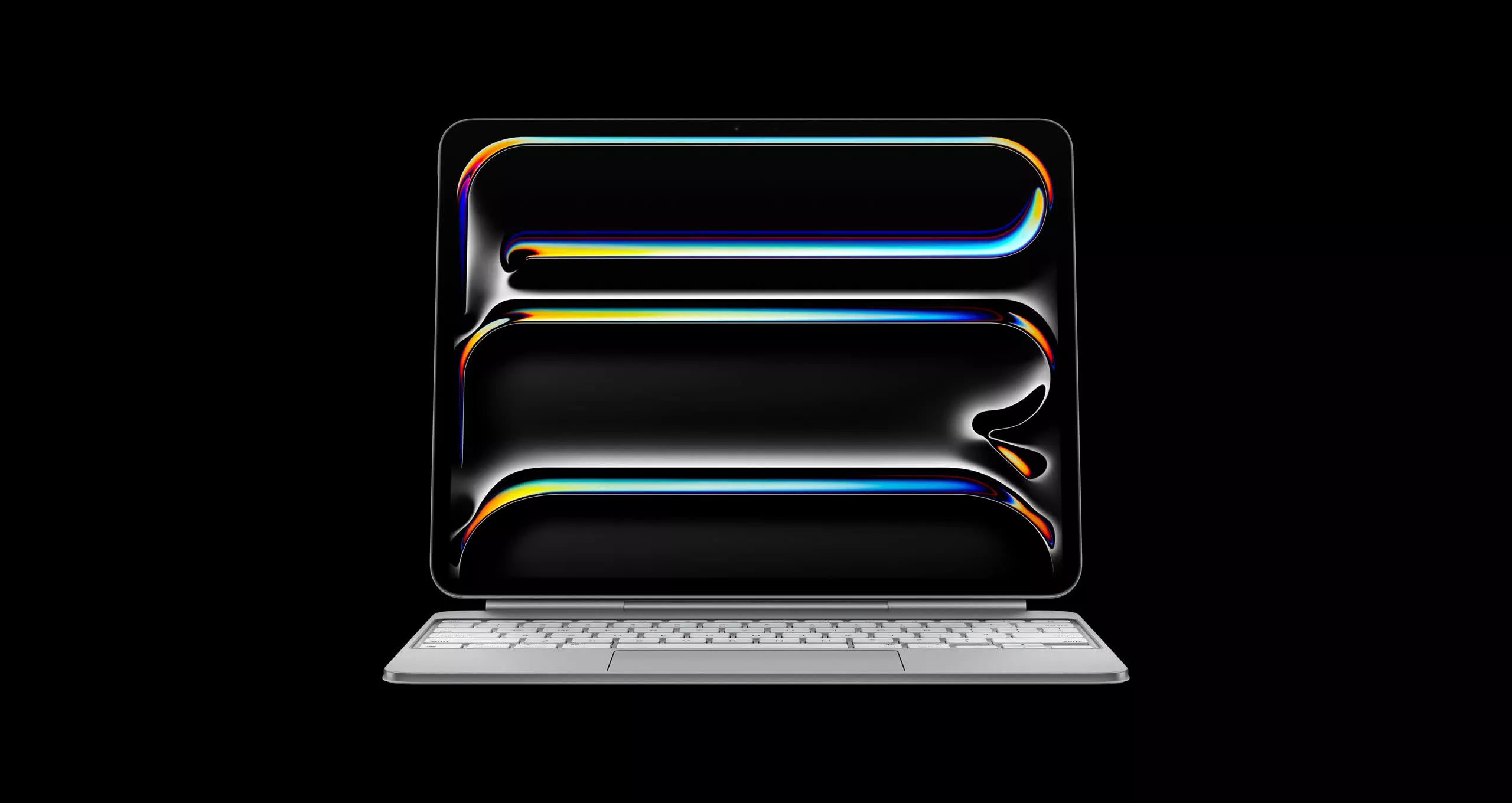
It’s also a great backup camera, with ProRes recording (the 256GB versions can only shoot ProRes at 1080p, though), audio zoom and stereo recording.
The Apple M5 chip easily outperforms the cut-down M4 in the Air, with a USB-C port that supports USB4/Thunderbolt speeds. Only the 1TB and 2TB versions feature a fully enabled M5 with four performance cores, six efficiency cores, and 16GB of RAM, ideal for heavy multitasking.
Other versions of the iPad Pro have one disabled performance core and 12GB of RAM, but they still outperform the Air’s M4.
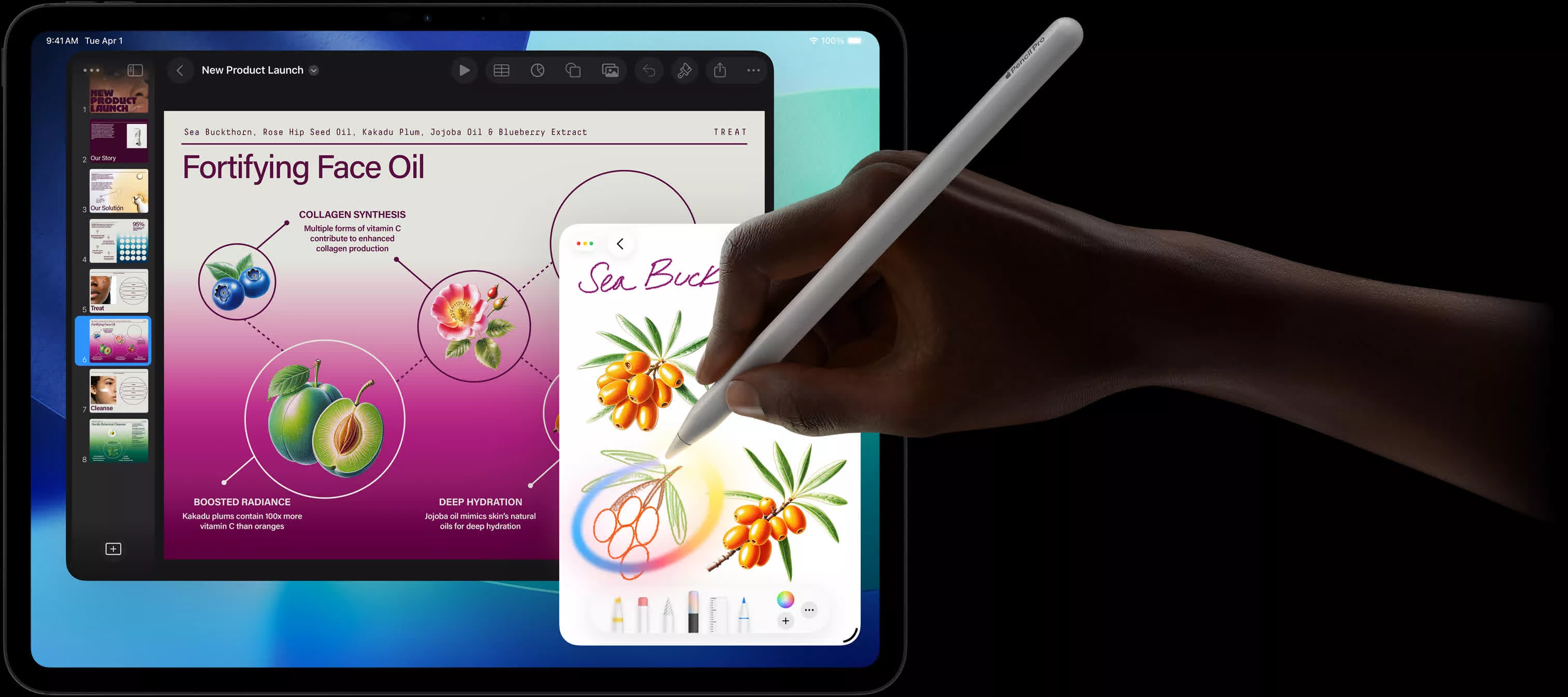
The iPad Pro is compatible with the Pencil Pro, and the Magic Keyboard for iPad Pro, which includes function keys and haptic feedback on the trackpad. The device also boasts four speakers and a TrueDepth front camera with Animoji and Memoji support. It supports 60W fast charging, but not with the included 20W adapter.
The 11″ iPad Pro Wi-Fi model currently starts at $1,099 with 256GB of storage (Amazon discounts it $100 vs. Apple’s MSRP). The larger 13″ iPad Pro is currently an extra $300 (that’s a cool and hefty $1,399). Increasing storage to 512GB will be $200. Going from that to 1TB will be $400, ane upgrading from 1TB to 2TB will add $500 to the price. The iPad Pro only comes in black and silver.
Should you add 5G to your iPad?
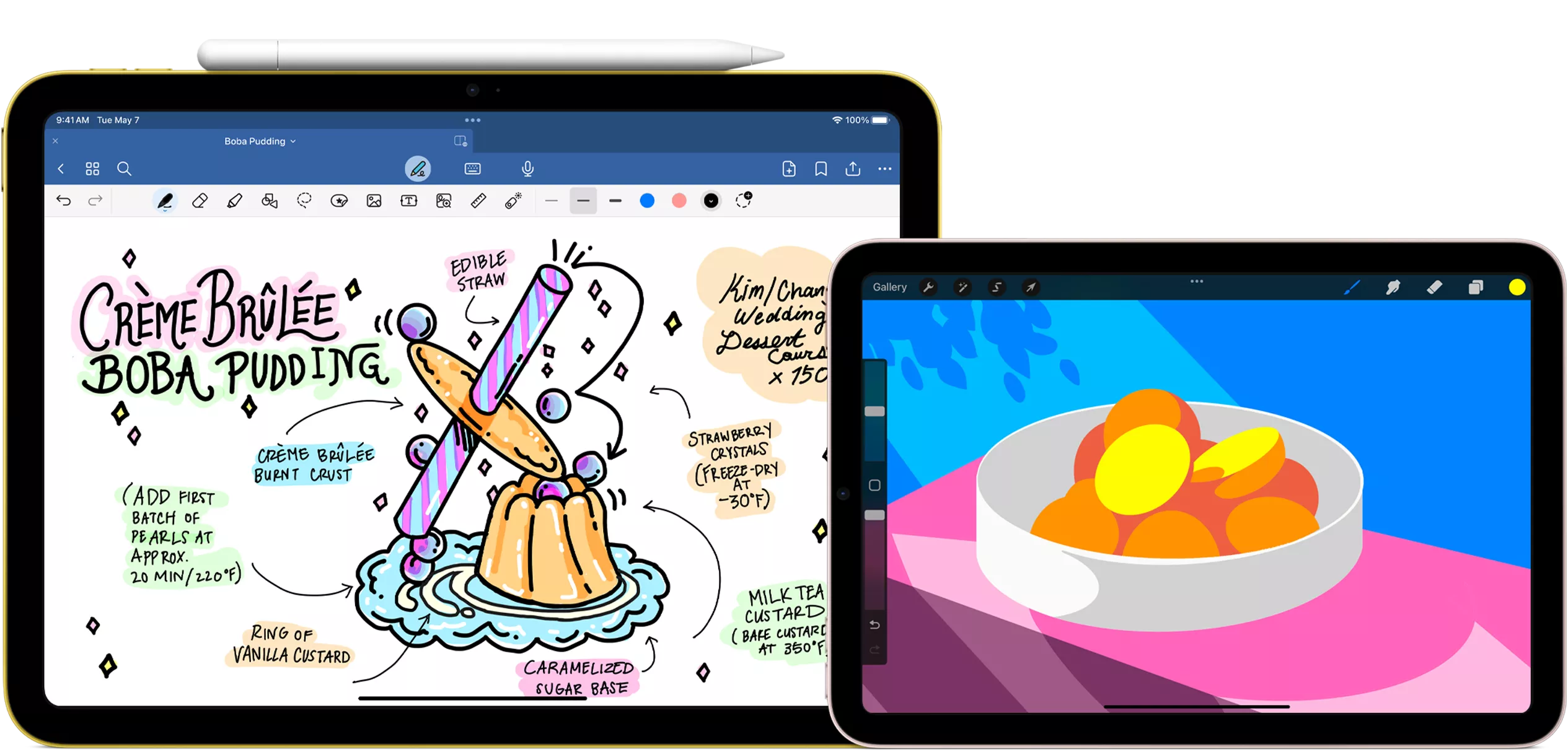
Adding sub-6GHz 5G to your basic iPad, iPad Mini or iPad Air will make it $150 more expensive. Adding the exact same capability to your iPad Pro will add $200 to the price. Sure, you can turn your smartphone into a hotspot, but doing so will drain the battery of both devices.
The more expensive the iPad, the more practical it may be to invest in cellular connectivity. For a Pro model with 1TB or more of storage, the extra $200 is likely a worthwhile expense.
Source: www.techspot.com
Source link