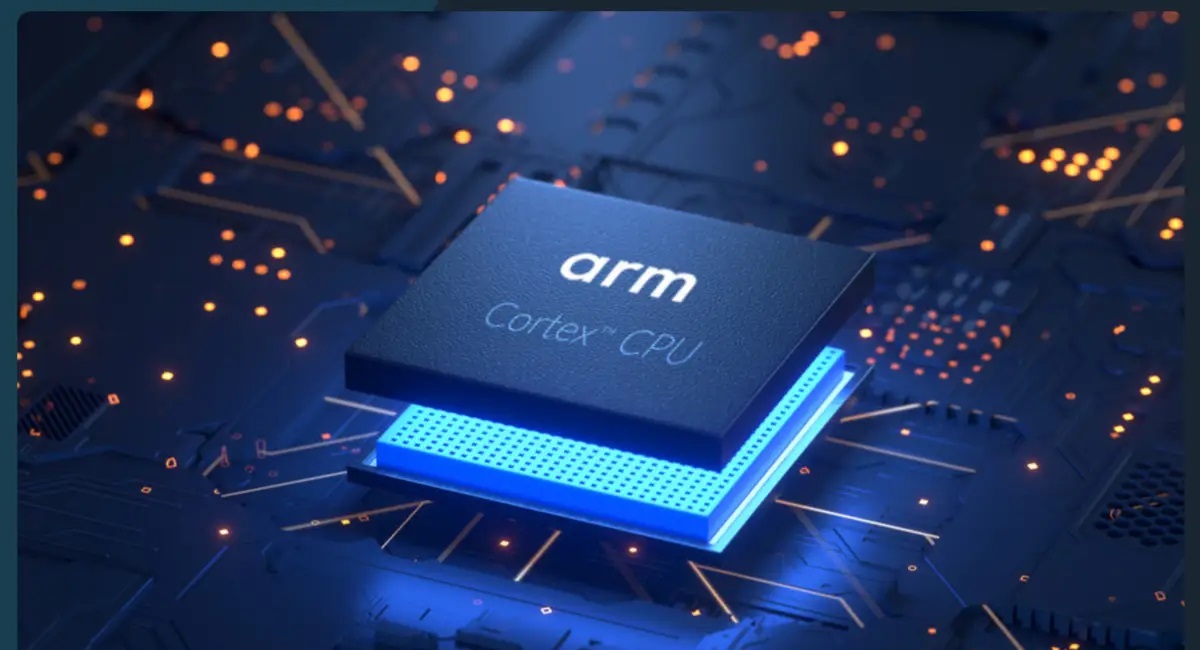
The actions of arm plummeted this Thursday (7), after the company warned about the fragility of the smartphones and the challenges of ensuring the supply of your new chip of artificial intelligence (AI) to meet growing demand.
To the actions fell 5%, to US$225.43, and this drop should eliminate more than US$12 billion from the company’s market value, which is currently US$252 billion.
Shares in the British chip design company have more than doubled in value this year, outperforming other major companies in the sector.
Arm and the AI chip market
Arm has stepped up its AI efforts in 2026 with a new chip to data centers aimed at so-called agent AI — systems capable of operating autonomously — after having long been a supplier of semiconductor designs used by companies such as Qualcomm.
While Arm had enough capacity to meet initial demand of $1 billion, it has not yet secured the supply needed to meet demand beyond that amount, Chief Executive Rene Haas said on an earnings call.
Arm needs access to production capacity, chip wafers and test equipment for the development of its AI chip.
The company said it expects the new product to generate more than $2 billion in fiscal years 2027 and 2028.
Taiwan Semiconductor Manufacturing (TSMC), a world leader in custom chip manufacturing, is producing Arm’s AI chip on a 3-nanometer technology comprised of two distinct pieces of silicon that operate as a single chip.
During the conference call, Arm predicted “slightly negative” numbers for the smartphone sector. Its designs equip most smartphones in the world, but the shortage of memory chips has affected the sector, raising the prices of electronics and slowing sales.
At least 14 brokers raised their target prices for Arm shares after the company reported record quarterly revenue of $1.49 billion for the fourth quarter and forecast first-quarter revenue slightly above Wall Street estimates.
A large portion of Arm’s revenue comes from licensing its technology to companies like Nvidia (NVDA) and the Apple (AAPL) and charging royalties for the use of their designs.
Source: www.moneytimes.com.br
Source link