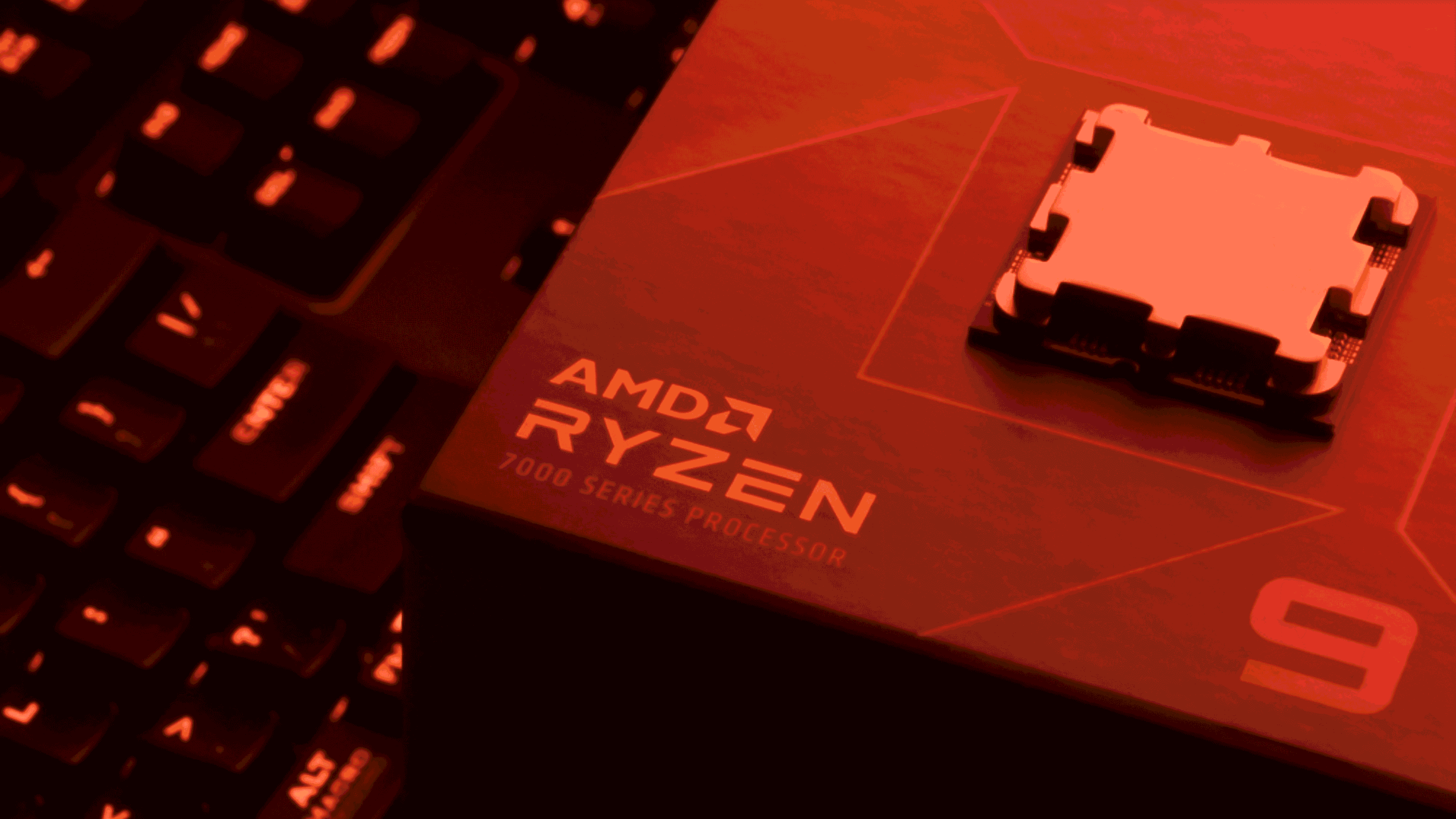
AMD should present this Thursday (23) in a convention center in San Francisco, a new generation of solutions focused on artificial intelligence. The initiative is part of the company’s strategy to expand its participation in the chip market for data centers, a segment currently led by Nvidia.
Among the expected news are the debut of a server rack platform and the official launch of a new processor for data centers. The company also intends to highlight advances in its infrastructure to meet the growing demand for AI applications, especially those aimed at processing queries made by users to chatbots.
The announcement comes amid increased competition among semiconductor manufacturers as they seek to offer more efficient systems to run large-scale artificial intelligence-related workloads.
AMD bets on new infrastructure to expand its presence in the AI market
The main news awaited is the presentation of Helios, the first rack system for servers developed by AMD. The equipment will be positioned as an alternative to the solutions offered by Nvidia, which is also advancing in renewing its infrastructure for artificial intelligence.
In addition to the new system, the manufacturer must officially launch the Venice processor, developed for data centers. The expectation is to strengthen its portfolio aimed at environments responsible for processing large volumes of data used in AI applications.
The company focuses part of its strategy on the segment known as inference, a stage in which artificial intelligence models process information to respond to requests made by users in tools such as chatbots.
On the eve of the main event, hundreds of executives and engineers participated in technical presentations and visited the exhibition area set up at Moscone West, in San Francisco. At the venue, AMD displayed Helios alongside stands from cloud computing companies that operate infrastructure based on their equipment.
Among these companies were Vultr and TensorWave, both responsible for data centers that use the manufacturer’s hardware.
The move comes just days after Nvidia released new technical details about the Vera processor. The company stated that the component, when used in conjunction with the Rubin GPU, was designed to maximize the amount of work performed by artificial intelligence agents with the same energy consumption.
On Wednesday (22), AMD also announced an agreement to supply up to two gigawatts of Instinct MI450 chips to Anthropic starting in the first half of 2027. The understanding also foresees an investment that could reach US$5 billion in the Claude developer.
The company had already signed a multi-year agreement with OpenAI in October. According to the information released, the partnership could generate tens of billions of dollars in annual revenue for the manufacturer, in addition to granting the creator of ChatGPT the option to acquire approximately 10% stake in the company.