Image: Disclosure/Liberland Press Office
Liberland is like the promised paradise of crypto billionaires which, located between Serbia and Croatia, aims to become a libertarian and digital country run by blockchain – the same technology that underpins cryptocurrencies.
The main idea is that the government can be replaced. The practices, however, go beyond the thesis and have an unusual logic in Brazil and many other countries, where buying votes or obtaining political advantages through payments is a crime.
In the micronation of Liberland, those who donate more influence more.
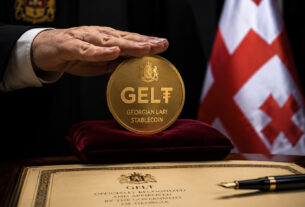
In practice, financial contributions to transform the project into the ideal refuge are rewarded with a token called Liberland Merit. According to the president of the micronation, Vít Jedlička, “those who have more Merits can have more influence on who will be part of the leadership”.
The model recalls the census vote adopted in part of the West between the 18th and 19th centuries, when income and assets determined the political weight of citizens. In the micronation, wealth is measured by the amount of tokens accumulated.
More an idea than a country
Liberland has already been in existence for more than a decade, at least on paper. According to data from the website of Liberland, the micronation has 1,295 registered citizens and 812,284 citizenship applications.
The territory of just 7 square kilometers seems to have been hand-picked by the creators of the micronation. It lies in an area of the disputed border between Serbia and Croatia that is not claimed by Belgrade and is considered Serbian by Zagreb.
In practice, however, it is just a narrow wetland strip on the banks of the Danube River, marked by trees, tents and some improvised buildings.
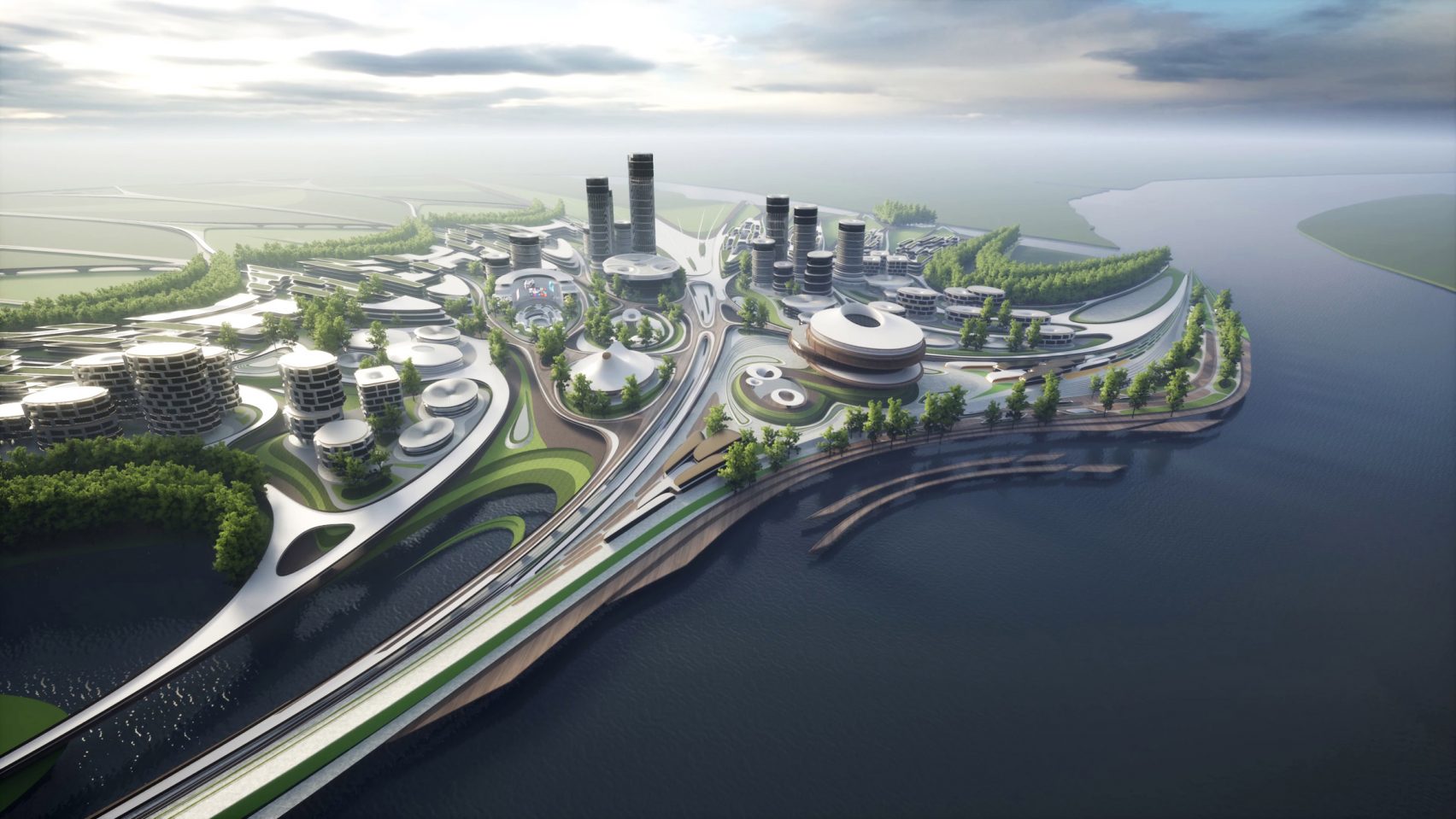
The landscape contrasts with the future imagined by the creators. A digital version of Liberland, designed by architect Zaha Hadid’s ZHA office, showcases gleaming skyscrapers, floating parks and futuristic structures.
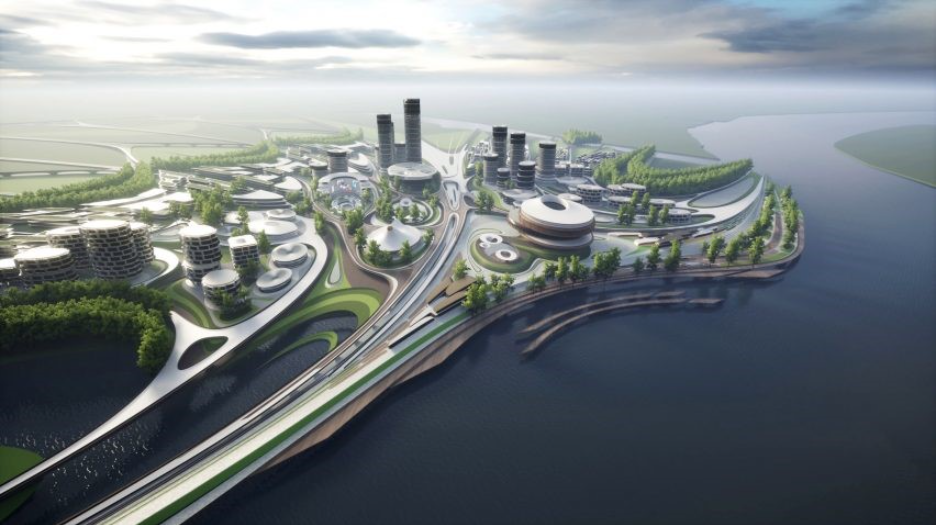
Image: Disclosure/Mytaverse
Access is by boat. This is because Croatia restricts arrival to the territory and Serbia does not maintain any infrastructure nearby that allows access by land.
Furthermore, no country recognizes the existence of Liberland. The most that the self-proclaimed micronation in 2015 has is dialogue or informal ties with other autonomous territories, such as Somaliland.
Controversies go far beyond buying influence
The controversies surrounding Liberland go far beyond the lack of external recognition and the possibility of buying influence in the government.
Interior Minister Ivan Pernar, a former Croatian deputy expelled from Parliament for spreading conspiracy theories, defends the application of a strict “filter” for granting citizenship.
According to him, people in favor of decentralized finance tend to come from the upper classes.
In a recent interview with BBC Pernar didn’t stop there. He declared that if there were “a lot of bums in the country with nothing,” other people would have to contribute to their benefits. He then stated: “Do not feed animals, because if you do, they will get used to it and lose the ability to feed themselves. The same happens with people.”
The minister also said that, without any selection of people arriving by boat, the place would end up like the United Kingdom — which, according to him, “is not desirable”.
How Liberland intends to get off the ground
The organizers believe that this project will be able to come off the screen thanks to the support of around 30 billionaires. Among them is Justin Sun, founder of blockchain Tron, whose fortune is estimated at US$8.5 billion by Forbes.
Sun holds the position of prime minister of the micronation and has become one of the main sponsors of the initiative, which also serves as a laboratory for him.
The businessman has already stated that he believes that the traditional concept of the nation-state could become obsolete and be replaced by systems based on blockchainexactly as Liberland proposes.
The micronation, however, is not an isolated case.
Projects such as Prospera, in Honduras, initiatives linked to the Seasteading Institute, supported by Peter Thiel, and the so-called Draper Nation, created by investor Tim Draper, share the same vision: creating digital or semi-autonomous communities with their own rules and strong dependence on technology blockchain.
*Under the supervision of Ricardo Gozzi.
Source: www.moneytimes.com.br
Source link