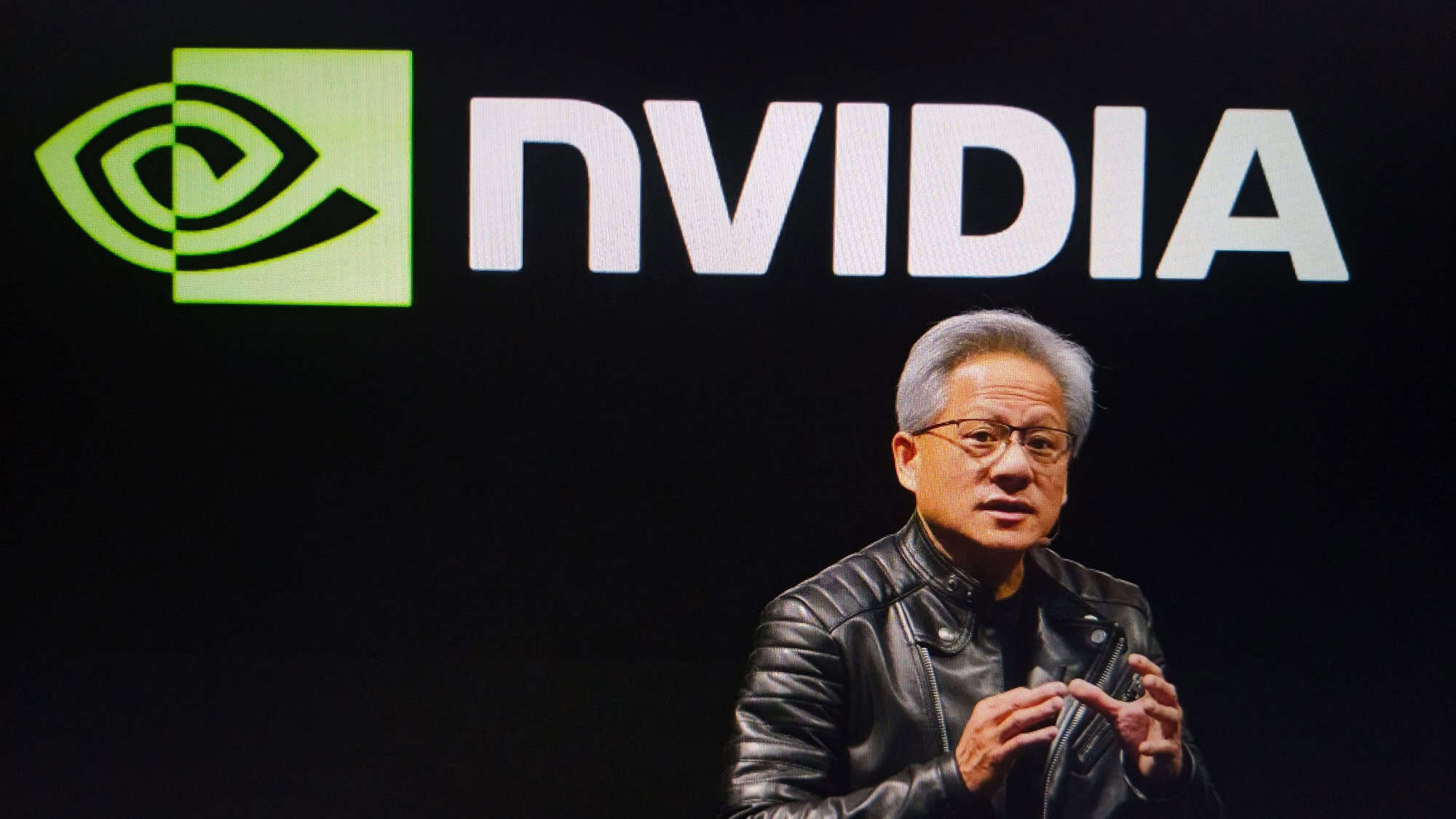
Nvidia CEO Jensen Huang said on Saturday (23) that he expects Super Micro Computer — a maker of servers that integrate its AI chips — to adopt more stringent measures to ensure compliance with US trade regulations. According to Bloomberg statement was made after authorities in Taiwan detained three people accused of forging documents to export AI equipment to China.
“We insist that our partners comply with regulations. We hope that they will improve and improve their compliance with regulations and prevent this from happening in the future,” Huang said when speaking to journalists upon landing in Taipei.
According to investigations, the three detainees allegedly presented false statements about AI servers produced by Super Micro Computer, with the aim of sending them to China, Hong Kong and Macau — which violates restrictions imposed by the United States since 2022. Super Micro integrates chips from Nvidia and other manufacturers into server systems used in data centers to train and run AI models, including ChatGPT.
Nvidia’s next steps
Huang’s trip to Taipei takes place on the eve of GTC Taipei, an Nvidia event that starts next week. The big awaited highlight is the launch of the Vera Rubin platform, scheduled for the third quarter. Designed for agent, reasoning, and long-context AI workloads, the new architecture will enable so-called “AI factories” to scale intelligence within the rack and across the data center, with secure deployment and continuous availability.
Huang reiterated his confidence in the new product: “Vera Rubin will be the most successful generation yet.” He noted that in the past, the company had only partnered with one or two companies at the forefront of AI models; today, they all work with Nvidia. The executive emphasized that this will be the biggest and fastest launch in the company’s history.
The episode involving Super Micro Computer was not mentioned by Huang as a risk to the partnership, but his public statement signals the expectation that the server manufacturer will improve its internal controls. Nvidia, a global leader in AI chips, has its products subject to severe export restrictions to China, and any deviation could expose the company to regulatory and reputational risks.
Source: www.olhardigital.com.br
Source link