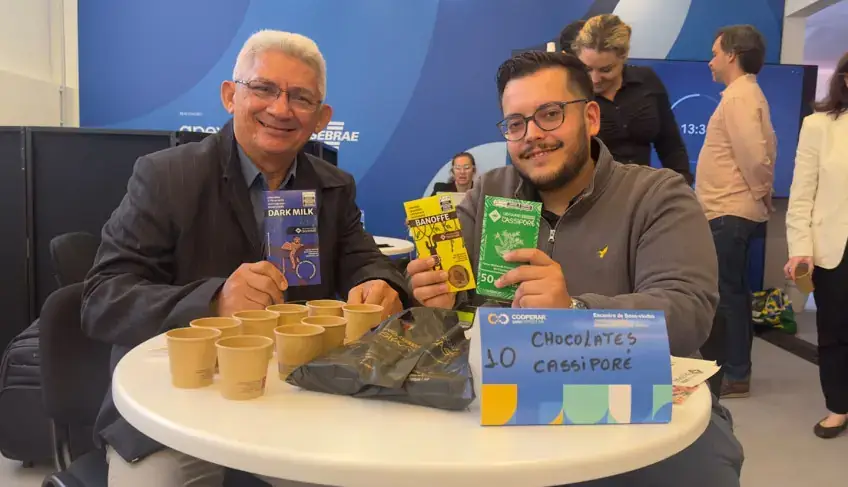
Products based on native fruits, nuts and other foods from Brazilian socio-biodiversity arrived in Lisbon this week as part of the Jornada Exportadora Cooperar para Exportar. The initiative, carried out one month after the entry into force of the Mercosur-European Union agreement, is promoted by Sebrae and ApexBrasil to support the internationalization of small businesses. The mission takes place between the 1st and 5th of June and brings together 20 Brazilian bioeconomy companies linked to the food and beverage sectors, as well as 10 cooperatives from the Unicafes network (National Union of Family Farming and Solidarity Economy Cooperatives), from six different biomes, interested in starting or strengthening their presence in the international market.
The action takes entrepreneurs from states such as Bahia, Acre, Amazonas, Amapá, Pará, Rio Grande do Norte, Federal District and São Paulo for a program that combines training, seminars, technical visits and business agendas with potential commercial partners. Companies also receive consultancy with an international market agent. The objective is to prepare companies to operate in foreign trade and facilitate their connection with international buyers.
Mission in Lisbon is part of Sebrae’s work to strengthen the competitiveness of small Brazilian businesses abroad
Participating companies have been supported by Sebrae through the Move+ program and the internationalization strategy led by International Market Agents (AMI), an initiative that offers specialized guidance to increase the competitiveness of small businesses in global markets. The work includes diagnosis of export maturity, market intelligence, adaptation to international requirements and support in the construction of strategies for insertion and expansion in new markets.
For the coordinator of Differentiation for Markets at Sebrae Nacional, Newman Costa, the mission is part of a broader strategy to prepare entrepreneurs for export. “Sebrae works to prepare these entrepreneurs through international market agents and a series of actions that help companies better understand the requirements, opportunities and challenges of exporting”, he states.
“Move+ and other internationalization initiatives allow these businesses to arrive more prepared to access strategic markets and generate value from biodiversity Brazilian”
Newman Costa, Market Differentiation Coordinator at Sebrae Nacional
The initiative is part of the set of actions that the institution has been developing to strengthen the competitiveness of small Brazilian businesses abroad. By promoting practical experiences in strategic markets, Sebrae helps entrepreneurs transform genuinely Brazilian products into concrete business opportunities beyond the country’s borders.
Cocoa for the world
Among the participants is Cacauaré, a company incubated by the bioeconomy pilot project developed by Sebrae in Lower Amazonas. The family business, led exclusively by women, is dedicated to the production of ceremonial cocoa for healing rituals and food products.
“Participating in this journey has been a very important experience for our company. We are talking about the bioeconomy and Amazonian socio-biodiversity in an international market. Being here today is the completion of work that has been developed for a long time and a chance to take our history and our products to the world”, says the CEO of Cacauaré, Naianny Maia, directly from Lisbon.
Source: www.agenciasebrae.com.br