Apple sometimes closes retail stores. The company always has private and public reasons why, but the communities and workers that are impacted don’t care much about what they are.
On April 9, it was revealed that Apple was preparing to close three of its stores in the United States in June. The group consists of Apple North County in Escondido, California, Apple Towson Town Center in Towson, Maryland, and Apple Trumbull in Trumbull, Connecticut.
After the initial shock of the closures, people are still expressing their feelings about the store closures. However, as usual, nothing is straightforward in the court of public opinion.
In the case of Apple Trumbull, it actually seems like a straightforward business decision for Apple.
Trumbull, CT property value
On April 14, First Selectwoman Vicki Tesoro asked for Apple to reconsider the closure of the store in the Trumbull Main Street, reports CT Insider. Trying to plead to its humane side, Tesoro said the move “leaves a major gap in services for customers.”
She continued that the Town of Trumbull was “deeply disappointed,” and that the region had come to depend on the store for both technology services and employment.
The official town statement also calls for customers to “express their disappointment” to Apple via a phone call.
Taken on its own, it would be considered a fairly measured response by an elected official. However, this can be very easily picked apart.
For a start, consumers wanting access to Apple products don’t have to travel far to get to the next available Apple Store. The closest to Apple Trumbull would be Apple SoNo Collection in Norwalk, which is a 16-mile, 25-minute drive away.
More pressing to the town is the fact that the Trumbull Mall is actually being listed for sale. And, this sale is months after going through a court foreclosure process, too.
With the Mall itself up for sale, the last thing it needs is to have a major retailer like Apple decide to move out. That lowers the value of the mall to potential investors keen to keep it running.
Apple’s official justification discusses the need to provide excellent service and experiences. It also talks about other retailers going from the mall, as well as “declining conditions.”
It doesn’t help the view of the town when the report’s lead image shows a broken sign.
Apple leaving is a symptom of the mall’s overall failure. To Quinnipiac University’s School of Business professor emeritus David Cadden, it’s a “really bad sign, really negative” for the mall’s future.
To Cadden, Apple wants pristine locations, so that the space the store is in needs to match the premium nature of the products being sold.
Though closures are often decided upon by closing margins, Cadden adds that this may have been more preemptive by Apple. It’s not a problem now, but it probably would be in the future.
Towson union and confusion
The Apple Towson closure was more high-profile, due to it being the first Apple Store to be unionized.
Again, the closure of the store doesn’t leave consumers completely in the lurch. It’s not what you’d call “next door” but the nearest location is about 26 miles away, in Columbia, Maryland. A few miles more gets you into metro DC, with several locations including the new Tyson’s Corner location.
The union was quick to complain, with the statement from the IAM Union declaring it was outraged by the decision. It too claimed that Apple was abandoning workers and the community that relied on it for critical services.
It also called it a “cynical attempt to bust the union,” and threatened to explore legal options to “hold Apple accountable.”
Away from the union anger, the closure is more viewed as a confusing move.
Towson Chamber of Commerce executive director Nancy Hafford told the Baltimore Sun that she was “pretty perplexed” over the closure of the location. In her view, it was a busy location, and there “was rarely not a line in there.”
However, even she admits that big retailers with hundreds of stores frequently close and change locations. It’s ultimately not an unusual move for a company of this size and coverage of the country.
Again, the location itself is raised as problematic in the report, echoing Apple’s sentiments. It’s the loss of another high-profile retailer, one shopper said, as “the area has not a lot of nice stores.”
Another expressed that the store didn’t feel safe anymore, with a lack of visible security. Then there are the reports about teenagers being arrested for fighting amid other larger meetups.
Apple North County and its many, many counterparts
The third store, Apple North County, is a bit of an outlier in the group. While the other two stores in the closure report have some officials complaining about the closure, that seems to be not really a problem for North County.
Indeed, in researching this article, attempts to find reactionary reporting were not fruitful. Most of the talk was about the other two stores, and especially the union reaction, and this store has largely been swept to the sidelines.
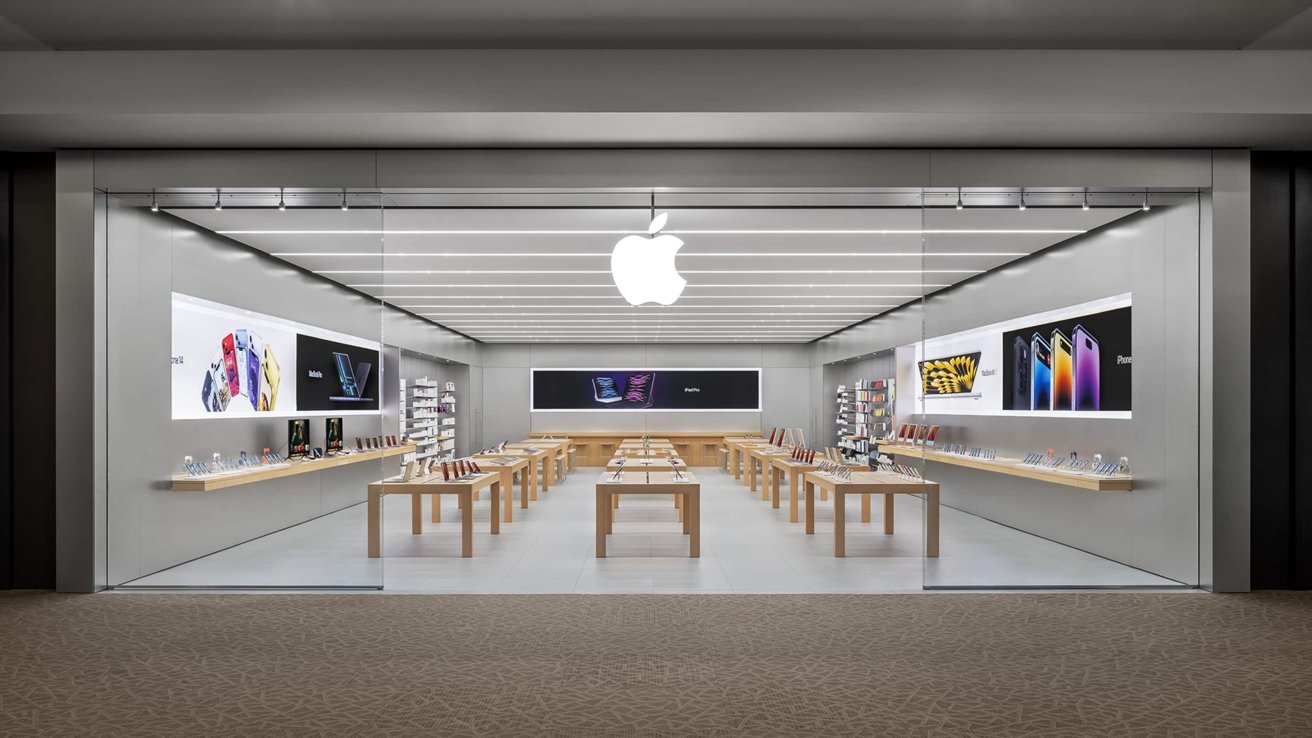
 Apple North County – Image Credit: Apple
A probable cause of this is the sheer number of Apple Stores that exist in California. Apple’s official store list includes 54 locations in California, including the Apple Park Visitor Center in Cupertino.
By contrast, Connecticut has seven listings, including Trumbull. Maryland has five, including Towson Town Center.
While the nearest alternative store is, again, about 30 minutes and 18 miles away, there are at least a few more options in the surrounding area that’s within striking distance.
Escondido may be affected by the Apple Store closure, but it once more isn’t a massive inconvenience.
Just doing business
Apple has many reasons for closing or moving stores around, especially beyond any accusations of union-busting.
As mentioned above, Apple does have a brand image to maintain, and it does carefully select locations based on what works for its needs. If a store finds the area it’s located in gets run down over time, there’s less incentive to stick around.
Even if Apple’s still earning hand-over-fist in one store in a bad area, it still works against the opinion of consumers visiting it.
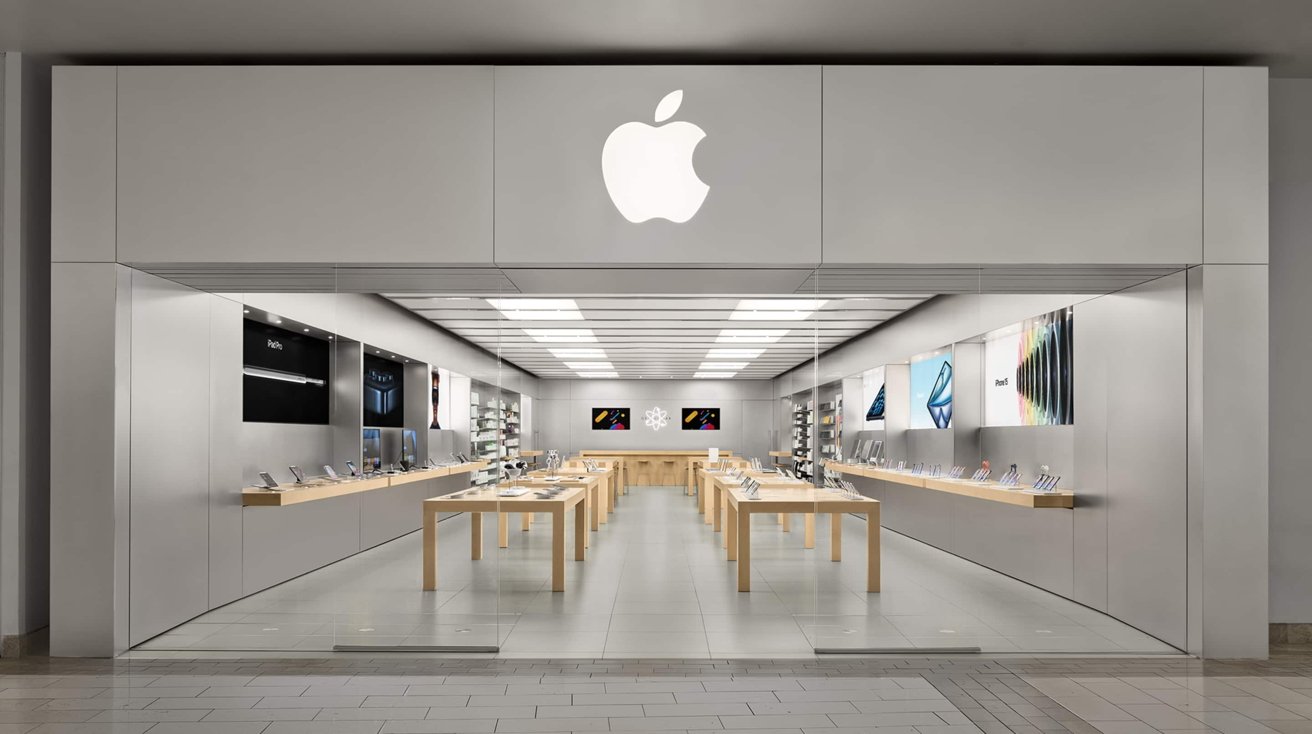
There’s also the issue of the style of store itself. In all three locations in the announcement, they are mall-style outlets that are fairly identical in appearance.
Apple’s more recent store openings have been in standalone storefronts, rather than slotted into a mall. These stores are frequently showpieces for Apple’s design, and in some cases, renovating around literal history.
Standalone locations are going to be viewed as priorities for Apple rather than the mall-style versions. With the exception of very prominent malls, the smaller and less customized mall storefronts are more easily disposed of by Apple, if needed.
In a world that has gotten very used to the convenience of online shopping and remote support services, it makes the decision very easy for Apple. This is certainly true if the store’s surroundings won’t benefit from a facelift anytime in the near future.
Store closures hurt the community, certainly. But even if the store is seemingly doing well from the view outside the company, Apple’s own view could be wildly different.
To consumers, the closure may mean a 30-minute drive elsewhere to get their Mac in working order. To Apple, it could solve many other more important problems, at a cost of a tiny bit of consumer inconvenience.
Source: www.appleinsider.com
Source link