Brain-inspired quantum computing
The name sounds good: Hyperdimensional Computing. The potential is also impressive: Researchers believe this new neuroscience-based computing architecture could help unlock the full potential of quantum computing.
It is no coincidence that this new computational paradigm, inspired by the human brain, is being launched by researchers in the field of neuroscience.
Fabio Cumbo and colleagues at the Cleveland Clinic in the US followed the idea that a concept in the brain is not stored in a single neuron. For example, when you think of a cat, there isn’t a single neuron in your brain exclusively responsible for making you know what a cat is; this information is distributed across thousands or millions of neurons. Thus, even if one neuron fails, you will still remember what a cat is.
This idea can be extended to computing. For example, if the data in a computer’s memory is distributed in vectors, the system can produce an accurate calculation even if there is an error in one of the vectors. To make this possible, the concept of hyperdimensional computing (HDC) emerges, which aims to mimic the brain using long vectors, a type of data structure that can contain thousands of dimensions.
But Cumbo’s idea is more ambitious: He doesn’t intend to use electronic components, but rather quantum components, definitively launching the concept of hyperdimensional quantum computing (HDQC).
Hyperdimensional quantum computing
While mapping long vectors onto conventional electronic hardware is trivial, applying the same conceptual framework to quantum hardware faces many challenges.
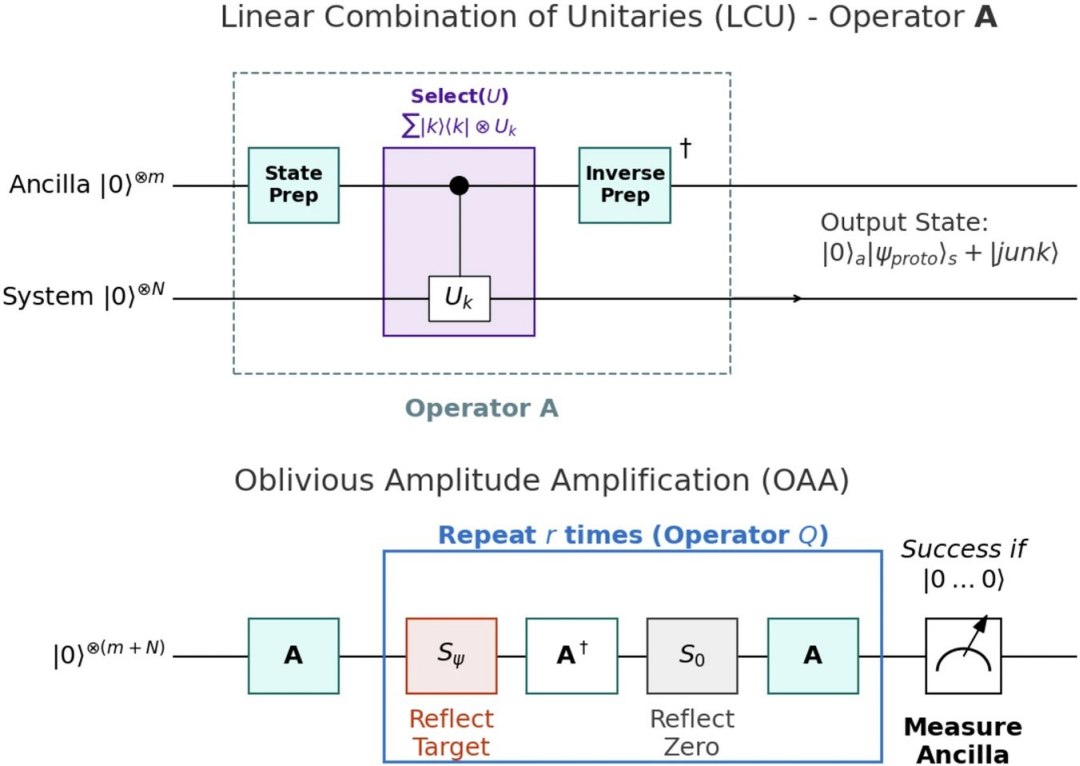
The proposal consists of eliminating these bottlenecks by using the property of quantum superposition to encode and process these complex spaces efficiently – superposition allows a particle to exist in multiple states simultaneously, which means that each memory cell, or each qubit, can store multidimensional data, and not just binary data.
“Most quantum computing software is still built on ideas from classical computing,” Cumbo explained. “I had the idea of exploring a type of computing that would work naturally on a quantum computer, rather than forcing it to fit into a classical framework.”
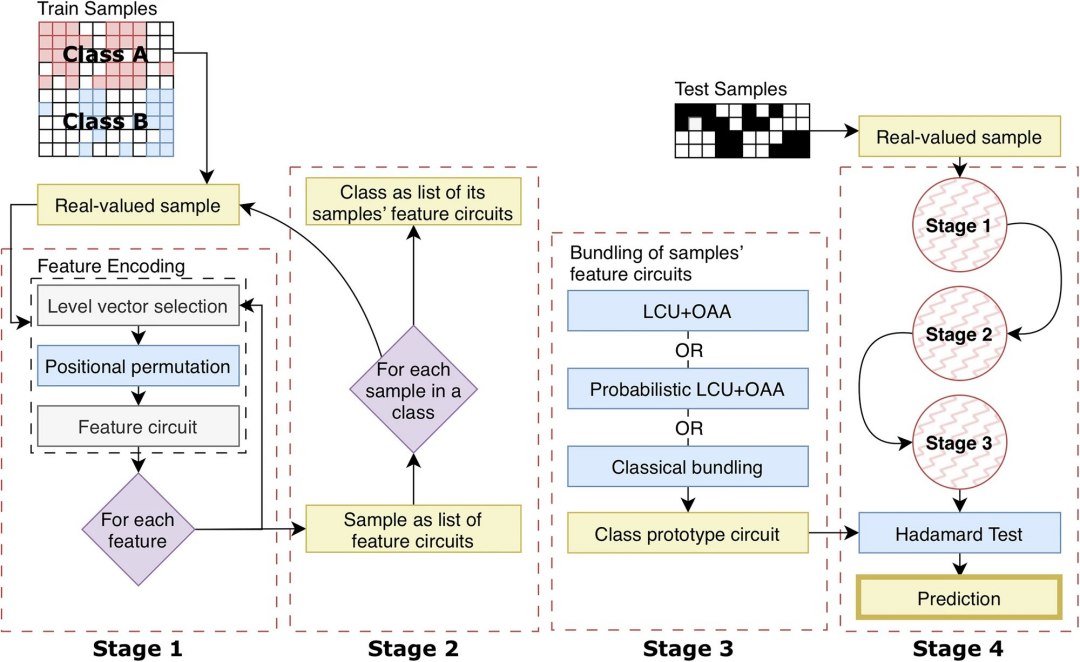
The researcher then conducted several studies on classical hyperdimensional computing, which allowed him to establish its compatibility with quantum computers. Next, he tested the framework on a classical computer, in an idealized quantum simulator, and on a real quantum computer available via the internet.
The tests allowed us to observe not only the structure’s performance, but also how it compares to current computational methods. The results showed that hyperdimensional quantum computing could perform 500 times faster than the methods already known and adopted in “normal” quantum computers.
“This work lays the groundwork for a new class of quantum computing algorithms that can increase the speed and efficiency of biomedical research,” said Dr. Cumbo. “We will continue to explore the possibilities of hyperdimensional quantum computing by applying it to larger models and verifying whether speed and accuracy can be maintained.”
Source: www.inovacaotecnologica.com.br
Source link