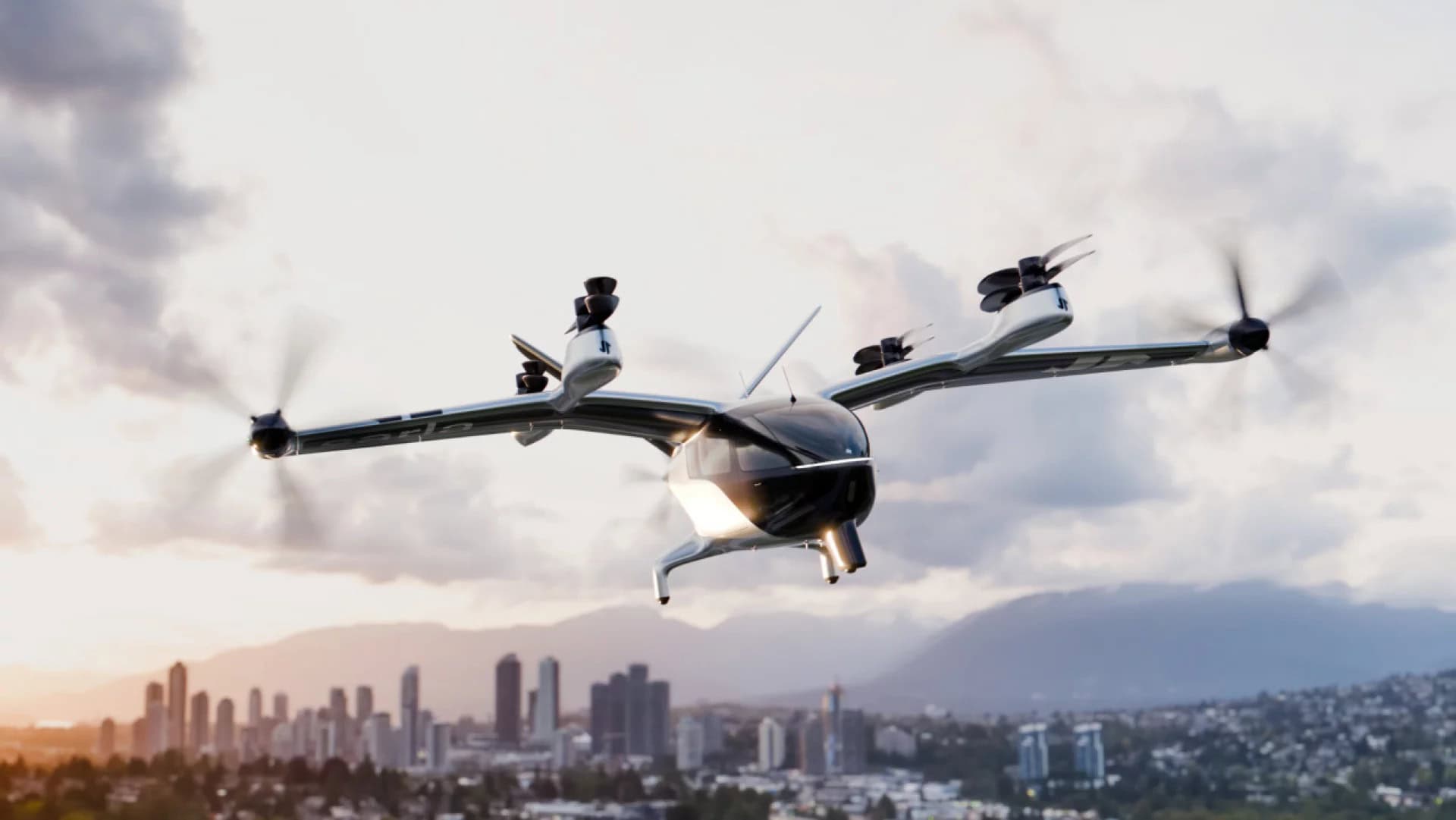
Imagine getting into an air taxi and feeling every curve, rise or fall along the way. To prevent this scenario from driving away future users, the NASA is studying how to make these flights smoother and more comfortable.
The agency used virtual reality simulators to understand how different aircraft movements affect passengers’ sensations and can influence their willingness to use this new type of transport.
Simulator recreated air taxi flights of the future
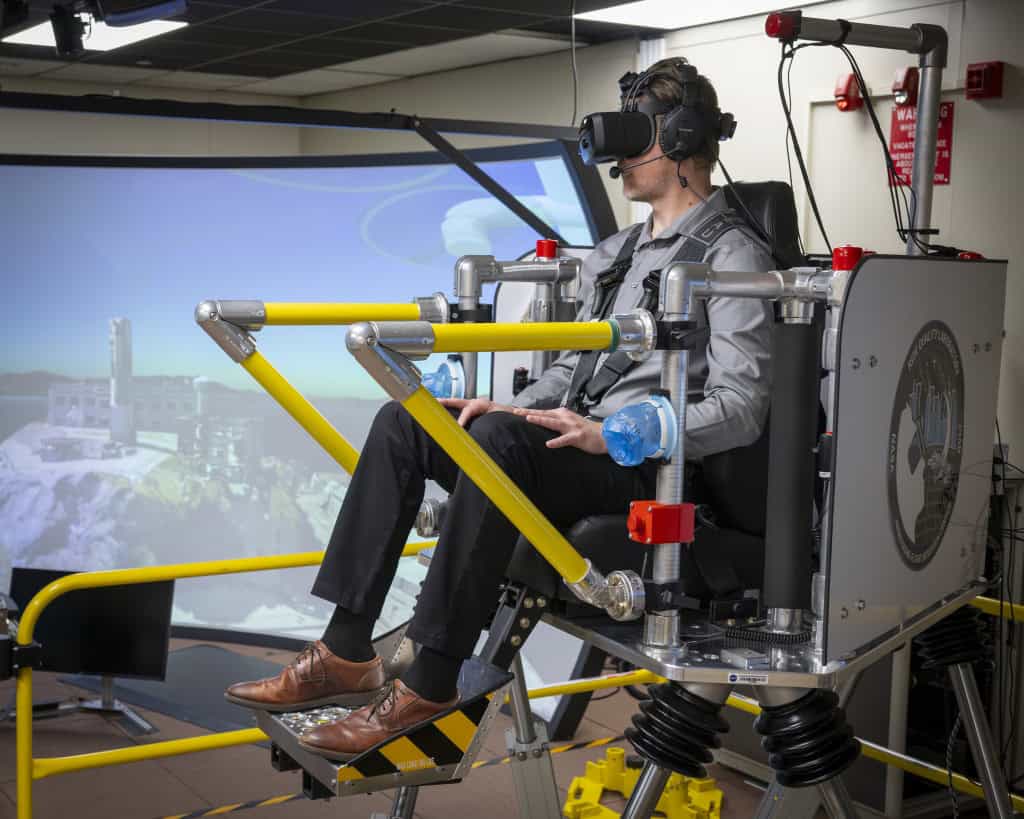
The tests were carried out at the Armstrong Flight Research Center in Edwards, California. NASA employees participated in virtual flights using a virtual reality motion simulator designed to replicate situations that future vertical landing and takeoff aircraft may face.
During the simulations, participants traveled a route between San Francisco and Alcatraz Island. The equipment reproduced different levels of ascent, descent, lateral inclination, rotation and rapid acceleration.
Each volunteer evaluated the flight on a five-point scale and pointed out which situations caused discomfort. The reaction varied: some people remained calm even with more intense movements, while others were uncomfortable with smaller changes.
Study can guide new aircraft designs
The answers helped researchers create models that relate aircraft behavior to passenger-perceived comfort. The idea is to offer information for manufacturers and operators to adjust both the vehicles and the way they will be driven.
Among the main points analyzed by the agency are:
- Sudden movements during ascents, descents and changes in direction.
- Impact of gusts of wind and landings on passenger experience.
- Relationship between intensity of movements and desire to perform new flights.
- Comfort limits for air taxi users.
Curtis Hanson, NASA Armstrong principal investigator responsible for the study, explained that the research aims to identify these limits before the service reaches the public.
“We can begin to make predictions about how air taxis should fly so that the majority of passengers find the experience enjoyable and want to travel again, which will benefit the public and the industry,” Hanson said.
Comfort may define acceptance of air taxis
In addition to the current tests, NASA compared the results with previous research on air travel quality. The analysis indicated that today’s passengers may be less tolerant of uncomfortable movements than airline travelers of 50 years ago.
This difference could weigh on the adoption of air taxis. Even if technology allows for quick travel around cities, the experience inside the cabin will be one of the factors that decide whether people will want to use the service again.
The study is part of NASA’s advanced air mobility research and is part of a long-term effort to understand how the human body reacts to aircraft movements. The goal is to help create a new generation of urban flights that are not only possible, but also enjoyable for those on board.
Source: www.olhardigital.com.br
Source link