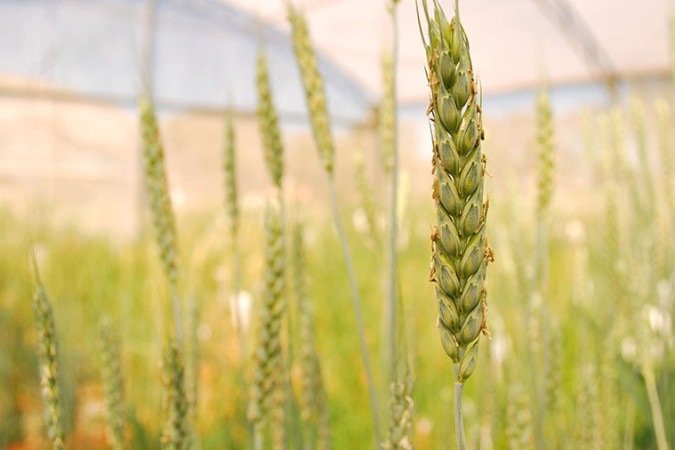
A new genotyping platform from Embrapa Trigo, in Rio Grande do Sul, is automating the preparation of DNA samples and expanding the genetic analysis capacity of wheat. The technology reduces the time for this step from days to approximately 12 hours.
The change accelerates the identification of genetic markers linked to productivity and disease resistance, in addition to reducing research costs. The advance follows the evolution of the genotyping process, which allows identifying variations in the DNA.
According to laboratory scientist Jordalan Muniz, the protocol was modernized in two decades. Manual gel analyzes have been replaced by electrophoresis systems and, more recently, by large-scale, high-precision sequencing.
Efficiency gain
Second-generation sequencing was incorporated into the Biotechnology Laboratory’s routine with two new pieces of equipment: the ION Chef, which prepares the samples, and the ION GeneStudio S5 Plus, which performs the sequencing.
“We can say that a year’s work can now be carried out in just one week”, explains researcher Luciano Consoli. He states that the efficiency gain supports the genetic improvement of wheat in Embrapa.
The unit’s Molecular Genetics team has 5,000 molecular markers for wheat and 3,500 for barley, all compatible with the new platform. The technology allows the simultaneous analysis of 384 samples with 202 markers, generating around 80 thousand data points.
Consoli compares progress to having a more detailed map. “If before we had a cartographic representation, now we have something more detailed, with streets and signposts”, he states.
Applications in genetic improvement
Wheat cultivars with markers of interest can be used in breeding programs. One example is the work to increase genetic resistance to diseases such as blast.
“Once the presence of a molecular marker associated with resistance, such as blast, is identified in a given cultivar, its plants can be incorporated into the breeding program”, points out researcher Gisele Torres.
She points out, however, that the presence of a marker is not enough to guarantee that plants are resistant. According to Torres, it is essential to evaluate the reaction of plants in the field, when exposed to the fungus. “The work of biotechnology is complementary to the work of breeding”, he concludes.
The team explores other possibilities, such as extracting Soil DNA to identify beneficial microorganisms for cultivation. It is also possible to characterize markers to develop wheat for celiac patients, associated with genes that encode proteins related to the immune response to gluten.
An AI tool was used to assist in the production of this report, under human editorial supervision.
Source: www.bing.com
Source link