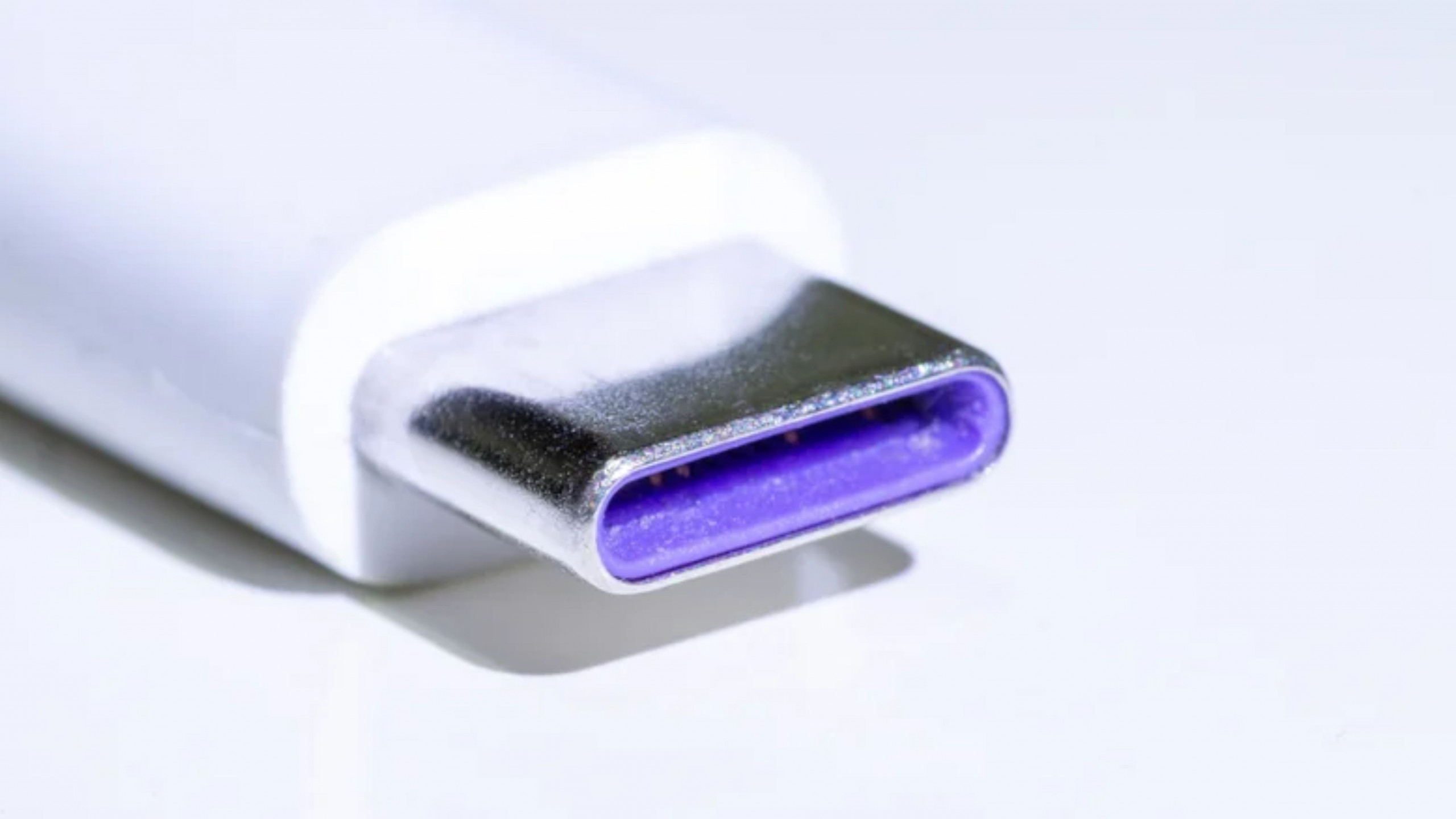
In different electronic devices, consumers have come across USB ports and cables in unconventional colors, such as purple, which raises doubts about their meaning. The practice does not follow a single standard and is usually linked to manufacturer decisions to indicate data speed or loading capacity.
The phenomenon gained prominence by showing that these visual indications may not guarantee compatibility between devices, varying depending on the brand and the technological ecosystem involved. The most common case involves fast charging solutions associated with specific colors.
According to the Endaget the lack of global standardization explains why consumers are not always able to correctly interpret what each color represents, especially outside of official standards.
The meaning of colors on USB ports and the lack of standardization
The organization responsible for USB standards establishes only three colors as an official reference: white for initial versions, black for USB 2.0 and blue for USB 3.0 and higher connections. This standardization seeks to facilitate the identification of faster versions.
Colors such as purple, green, red, yellow or orange are not part of official standards and are freely adopted by manufacturers. This means that its meaning may vary depending on the company that produces the device or accessory.
Purple, in particular, appears in solutions linked to fast charging systems, such as Huawei’s SuperCharge, applied to some cables and ports to indicate greater power. In certain cases, this type of technology reaches high powers and can coexist with other charging protocols.
Furthermore, more recent versions of the company also started to use the color orange for cables and connectors with high electrical current capacity, expanding the set of visual signals used to differentiate performance.
This color logic, however, does not guarantee broad compatibility between devices, as some products are designed to function fully only within the manufacturer’s own ecosystem.
Other colors and differences between manufacturers
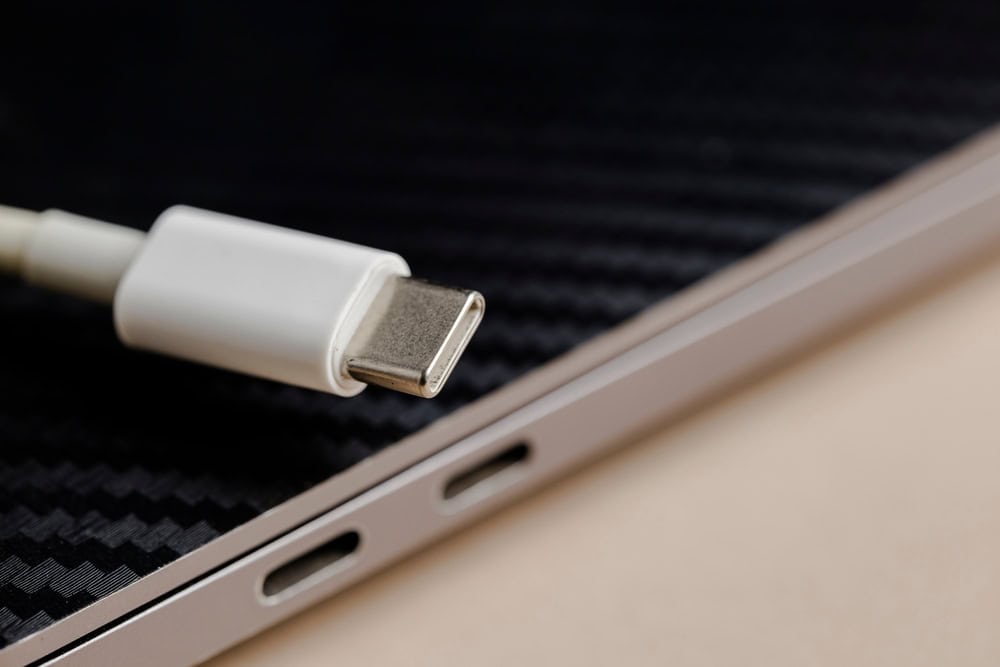
In addition to purple and orange, other colors also appear on the market with different functions, although without global standardization. In some cases, red or yellow may indicate always-on ports or faster versions of USB.
Green is usually associated with ports with fast charging technology from certain manufacturers, in addition to appearing in projects with a specific visual identity, such as notebooks from some brands.
These variations reinforce that color, alone, should not be used as the only criterion to determine data transfer capacity or charging power.
Risks and recommendations for the consumer
Misinterpretation of colors can lead users to believe they are purchasing faster cables or chargers than they really are. This can lead to frustration and even compatibility issues.
Industry experts point out that the safest way is to check official USB standards certifications, which indicate real power capacity and data speed. Among these certifications are versions that support different power and transfer levels.
Data speeds range from older standards with limited capacity to newer versions that achieve much higher rates. Therefore, the recommendation is to prioritize technical specifications over visual signs.
Source: www.olhardigital.com.br
Source link