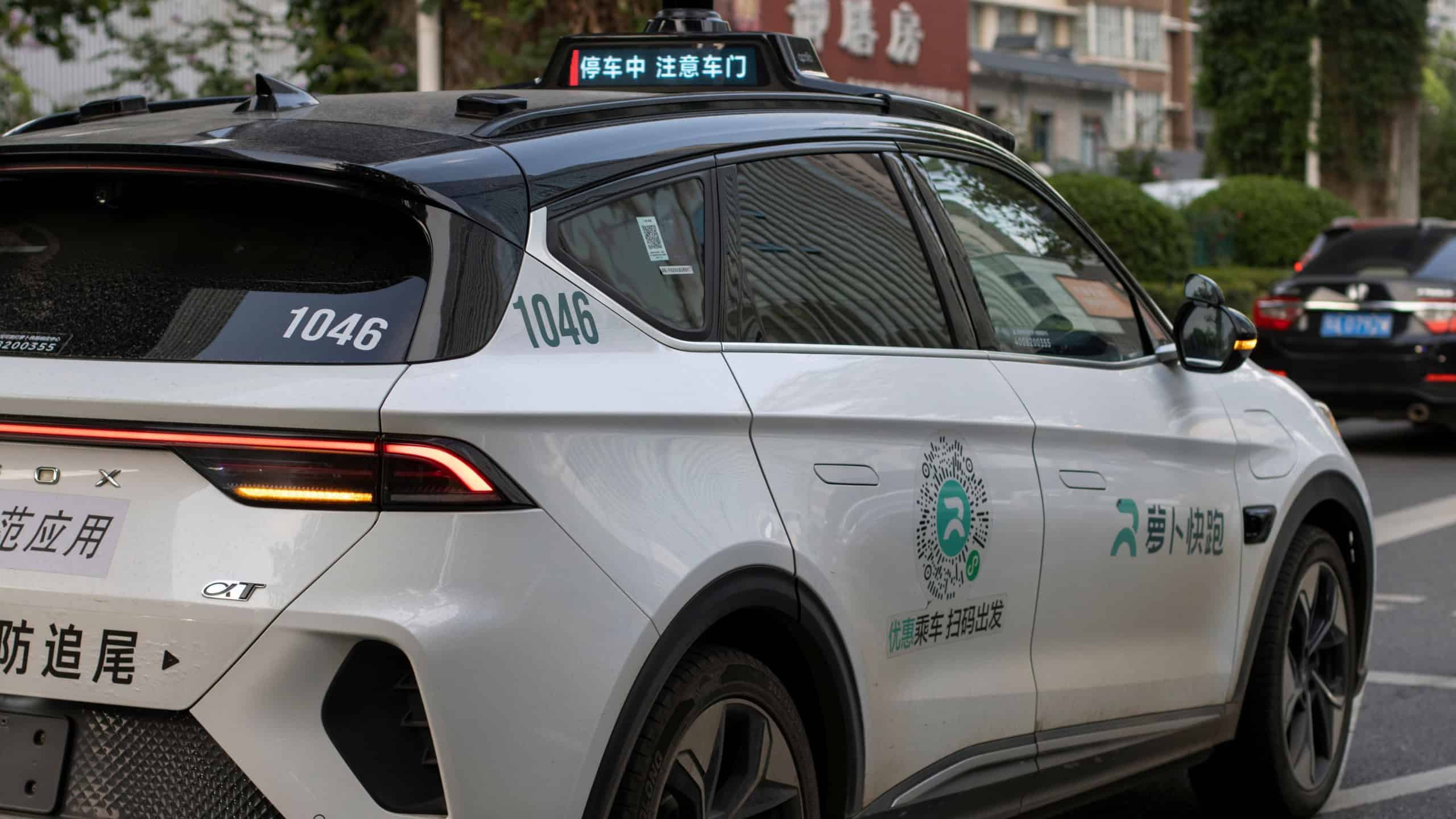
China has suspended issuing new licenses for autonomous vehicles after a massive failure in the company’s robotaxis Baidu in Wuhan.
The decision, revealed by Bloomberg this Wednesday (29) interrupts the expansion of fleets and new test projects across the Asian country after dozens of vehicles “froze” in traffic.
The blockade prevents technology companies from adding driverless cars to their fleets, starting operations in cities or launching experimental projects until monitoring standards are reassessed.
Understand Baidu’s ‘blackout’ and the impact of the new regulatory wave in China
The trigger for the crisis occurred in March, when around 200 robotaxis from the platform Apollo Gofrom the giant Baidu, suddenly stopped working. The blackout blocked main roads in Wuhan and left passengers isolated for hours.
Reports indicate that, unlike external failures reported at companies like Waymo in the US, Baidu’s problem appears to have been caused by internal management failures, according to the portal Nikkei Asia.
The severity of the episode mobilized the Ministry of Industry and Information Technology (MIIT)which called emergency meetings with transport and public safety bodies.
According to the Bloombergthe government ordered cities operating pilot projects to do a rigorous self-inspection.
Baidu’s operations in Wuhan remain paused as local authorities investigate whether the technology poses systemic risks to urban traffic.
The financial market reacted negatively to the regulatory paralysis, which directly affected investor confidence. The actions of Pony AI already accumulate a drop in 30% in 2026, while the WeRide retreated 10%.
The blockade is a bucket of cold water for automakers like Xpeng and Geelywho had announced ambitious plans for the robotaxi sector during the Beijing Auto Show recently.
In addition to technical failures, the Chinese government faces a strong social resistance against replacing human drivers with artificial intelligence (AI).
Residents of Wuhan are already protesting against Apollo Go for fear of mass unemployment among taxi drivers. This history of public tension had already led to a temporary freeze on licenses at the end of 2024.
Currently, only fleets that already have permission can continue operating in cities such as Beijing and Shanghai.
In statement the Reuters WeRide stated that it supports efforts to guarantee highest security standards in the sector. And Pony AI ensured that its services are still active.
Source: www.olhardigital.com.br
Source link