The European Union (EU) supports a project to build an underwater fiber optic cable that will cross the North Poleconnecting Scandinavia to Asia.
Named after Polar Connectthe initiative aims to guarantee the data sovereignty from Europe and create an alternative route that avoids chokepoints and conflict zones in the Middle East. The objective is that, until 2030the new infrastructure is working.
Currently, around 90% of internet traffic of Europe passes through Red Seaa region that has suffered frequent blackouts due to geopolitical tensions and accidents with commercial ships.
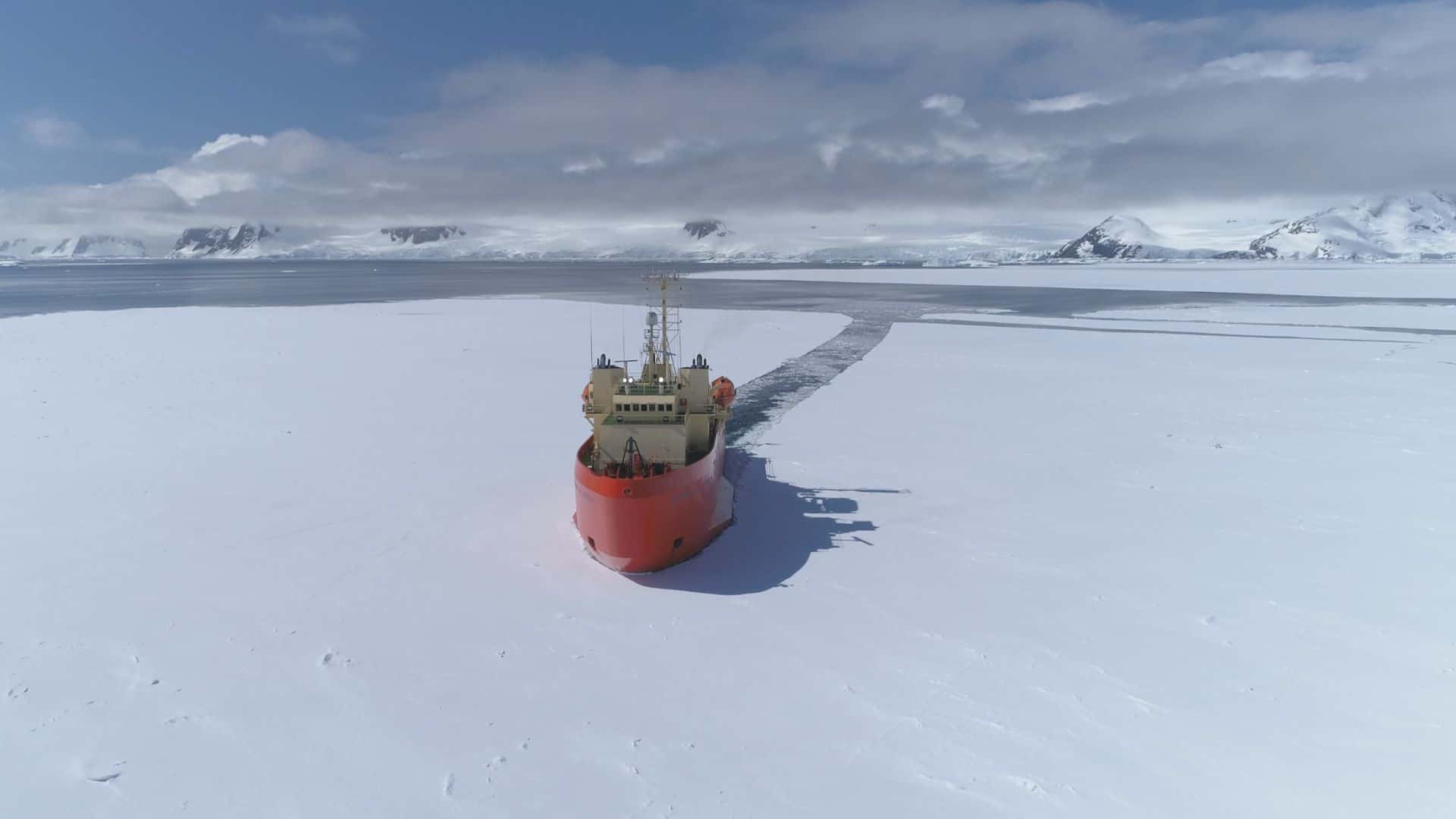
The new route through the Arctic promises to increase the resilience of the network and reduce latency in data transmission between the two continents. However, the installation and maintenance of the structure will face unprecedented technical challenges due to polar climatic conditions.
Geopolitical conflicts accelerate the search for alternative routes in the Arctic
The European urgency to seek new routes stems from a series of serious incidents in traditional submarine infrastructure. In 2024, for example, a missile launched by the Houthis hit a cargo ship in the Strait of Bab-el-Mandeb. This caused the vessel to drag its anchor and break three cables in the Red Sea.
Another example: In September 2025, another four cables were damaged by a commercial ship. Furthermore, the recent attacks by the United States and Israel on Iran made alternative land routes that were planned to pass through the Persian Gulf unfeasible.
The project Polar Connect is led by Nordic academic network operators, Sweden’s polar research agency and telecommunications company GlobalConnect Carrier.
The EU classified the initiative as a “Cable Project of European Interest” and has already allocated nine million euros (approximately R$53 million) for preparatory work, with a route survey scheduled for 2026.
The total cost of the project is estimated at around 2 billion euros (R$ 12 billion). The stretch between Norway and Japan should cost less than 1 billion euros (R$6 billion).
“When the Red Sea closed everything, everyone migrated to the Persian Gulf, and now you can’t do that either,” said telecommunications industry veteran Roderick Beck, in an interview with The Verge.
He concluded by saying that “the Persian Gulf will never go back to what it was before, when the Iranians did not dare to exercise control.” And he went on to say: “I think the EU is investing heavily in this because it thinks about data sovereignty, but it would be very expensive. It’s never been done before.”
Pär Jansson, senior vice president at GlobalConnect, explained to the website that “it started before the riots, but the geopolitical situation resulted in an increased interest in finding alternative routes.”
Obstacles
Technical feasibility, however, is viewed with skepticism by market analysts due to the physical barriers of the North Pole.
“What if there is damage to the cable from what is called ice scour (ice scarification), when ice scrapes against the cable and damages it. So you can’t fix it until the summer,” warned Alan Mauldin, research director at consultancy TeleGeography.
Mauldin highlighted the complexity of maintenance in the region. “We’ve seen so many projects come and go. There’s a reason for that, right? It’s very challenging.”
The company Quintillionfor example, activated a stretch of cable off the north coast of Alaska. But the structure was ruptured by sea ice in June 2023.
In January 2025, in the middle of winter, an iceberg hit the line again, leaving the system inoperative for eight months due to the total absence of cable repair ships adapted as icebreakers.
Faced with these high repair costs and long periods of inactivity, the remainder of the Quintillion route was never implemented.
Source: www.olhardigital.com.br
Source link