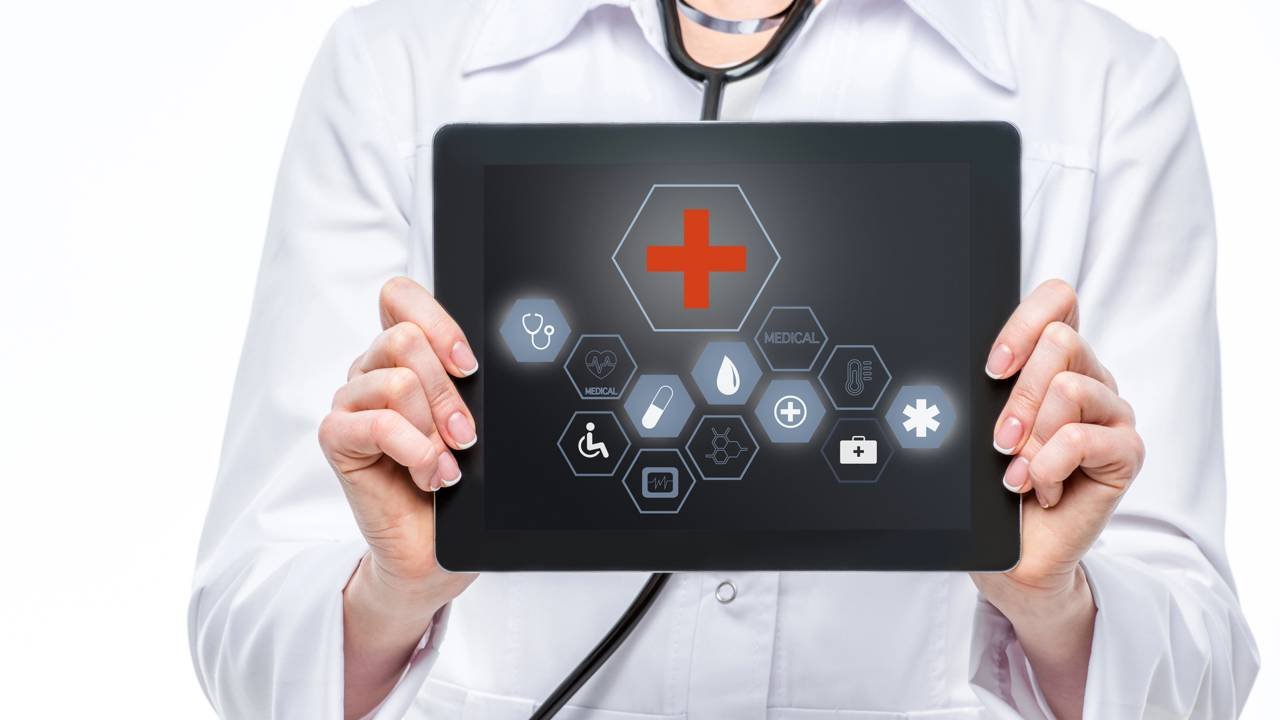
The way Brazilians take care of their health is undergoing a silent but powerful transformation, driven by technology. Video consultations and diagnoses supported by artificial intelligence are already a reality in the sector, with health plan operators and medical institutions investing to make care faster, more accessible and more efficient.
The telemedicine which gained strength during the pandemic, has established itself as an essential tool. Proof of this is that, according to the Panorama of Clinics and Hospitals 2025, 68% of health institutions in the country already offer some form of telecare. For the patient, the main advantage is convenience: it is possible to talk to a doctor to resolve low-complexity issues without leaving home, saving time and avoiding unnecessary trips.
This modality also optimizes the healthcare system. By directing simpler cases to virtual care, physical units are less overloaded, freeing teams to focus on situations of greater urgency and complexity. The result is a more organized and agile service flow for everyone.
Artificial intelligence in diagnostics
The use of artificial intelligence (AI) represents another significant advance. Advanced algorithms are capable of analyzing image exams, such as x-rays and tomography scans, with a speed and precision that complements the human eye. The technology can identify subtle patterns that might otherwise go unnoticed, helping doctors arrive at a faster diagnosis.
In addition to image analysis, AI is also used to cross-reference information from the patient’s health history and suggest possible diagnoses or treatments. This ability to process an immense volume of data in seconds helps to identify diseases in their early stages, which considerably increases the chances of successful treatment.
Investment in innovation is strategic for the entire ecosystem, boosting a heated market for healthtechs — health technology startups —, which is expected to grow 37.6% in 2024 in Brazil. For operators, this investment not only improves the quality of the service provided, but also contributes to cost management. An early diagnosis, for example, can avoid longer and more expensive treatments in the future, while the digitalization of processes reduces bureaucracy and increases operational efficiency.
The use of health data in an integrated way paves the way for more predictive and personalized medicine. The trend is that, more and more, technology acts in disease prevention analyzing the profile of each beneficiary to recommend specific care and promote a healthier lifestyle.
Source: www.bing.com
Source link