White hydrogen
Is it possible to replace the extraction of oil and natural gas, the fossil fuels considered the main causes of global warming, with hydrogen mining , a clean fuel par excellence?
It seems so. At least in Canada, for now.
Geologists Barbara Lollar and Oliver Warr, from the universities of Ottawa and Toronto, have measured for the first time the long-term release of natural hydrogen gas emanating from ancient rocks that make up the so-called Canadian Shield. This formation constitutes the geological core of North America, composed mainly of igneous and metamorphic rocks from the Precambrian period (2.5 to 4.2 billion years ago). It is one of the most geologically stable and mineral-rich areas on the planet.
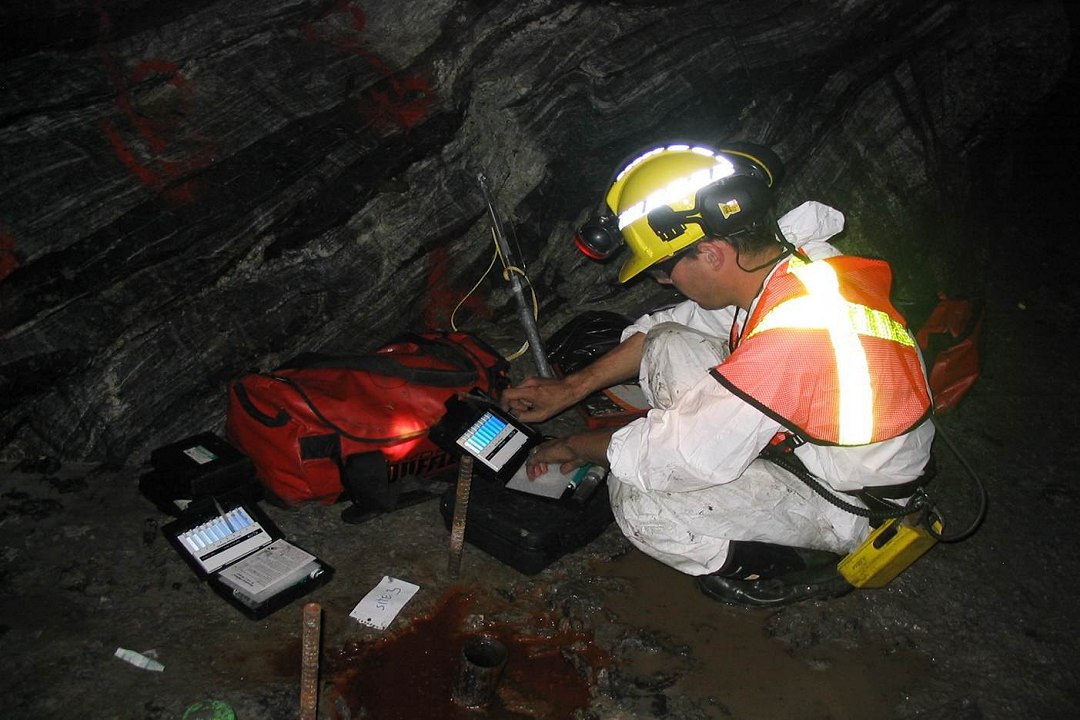
The pair monitored boreholes drilled in a mine in Ontario, confirming that the small holes continuously released hydrogen – the monitoring lasted for more than ten years.
Extrapolating to the mine’s nearly 15,000 boreholes, total production exceeds 140 tons of hydrogen per year, which would be enough energy to continuously power more than 400 homes. It’s still not much, but this so-called “white hydrogen” paves the way for a new, cleaner, and potentially cheaper source of hydrogen than the industrial hydrogen currently produced.
“The common link is the rock,” said Warr. “Natural hydrogen is produced in the same rocks where Canada’s nickel, copper, and diamond deposits are found, and which are currently being explored for critical minerals such as lithium, helium, chromium, and cobalt. The combined location of mining resources and hydrogen production and use reduces the need for long transport routes to market, for hydrogen storage, and for the development of large hydrogen infrastructures.”
Hydrogen mining
Natural hydrogen has so far been studied almost exclusively by microbiologists interested in the subsurface biosphere and astrobiology; its potential contribution to the global economy was speculative, based on models, and not on measured data, such as that collected now.
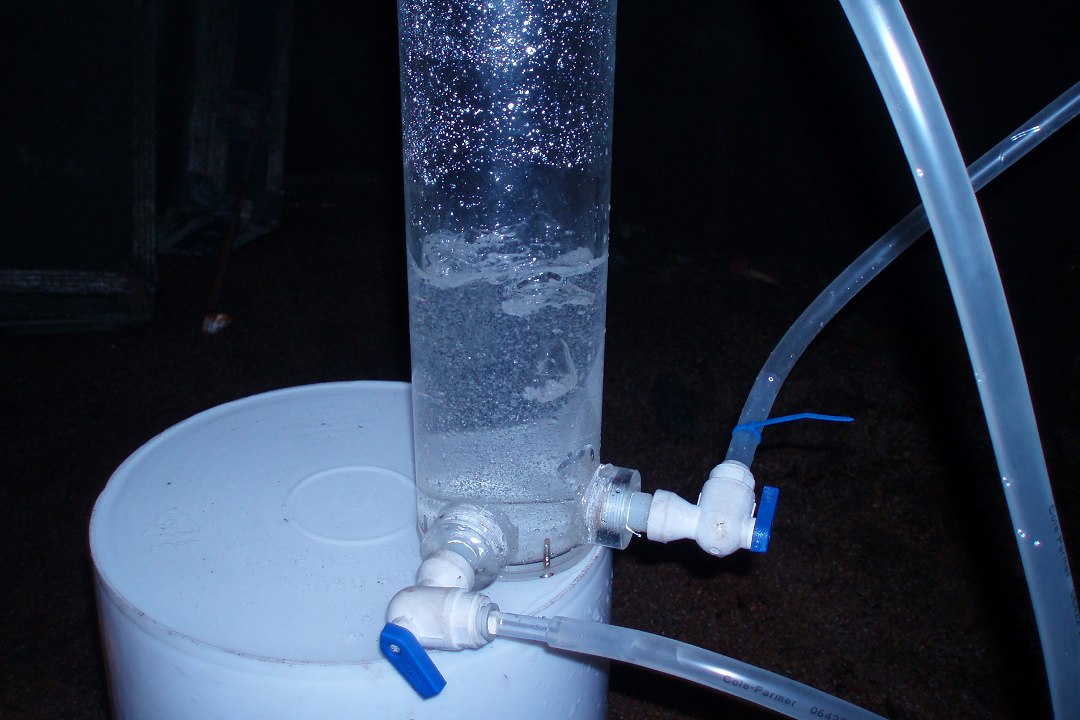
Geologists used data from an operating mine near Timmins, in the province of Ontario. Each of the boreholes in the mine releases an average of 8 kilograms of hydrogen per year continuously. The total extrapolated discharge is more than 140 tons of hydrogen per year, which is equivalent to 4.7 million kilowatt-hours annually.
Researchers suggest that this still largely unexplored resource could reduce costs and carbon footprints for the mines themselves and surrounding communities, lowering the high costs of transporting fuel to remote locations. To allow for case-by-case analysis, the study includes a methodology for assessing the economic viability of natural hydrogen worldwide, mapping both known and undiscovered deposits.
“There is a global race to increase the availability of hydrogen to decarbonize and reduce the costs of the existing hydrogen economy,” said Lollar. “We now have a better understanding of the economic viability of this resource.”
The global hydrogen economy is worth US$135 billion, with uses ranging from steel and methanol production to fertilizer manufacturing. Currently, hydrogen is produced by energy-intensive industrial processes that convert hydrocarbons from petroleum, natural gas, and coal, releasing carbon monoxide and CO2 . Even hydrogen generated from renewable sources (so-called green hydrogen ) is expensive and requires long-distance storage and transportation.
Source: www.inovacaotecnologica.com.br
Source link