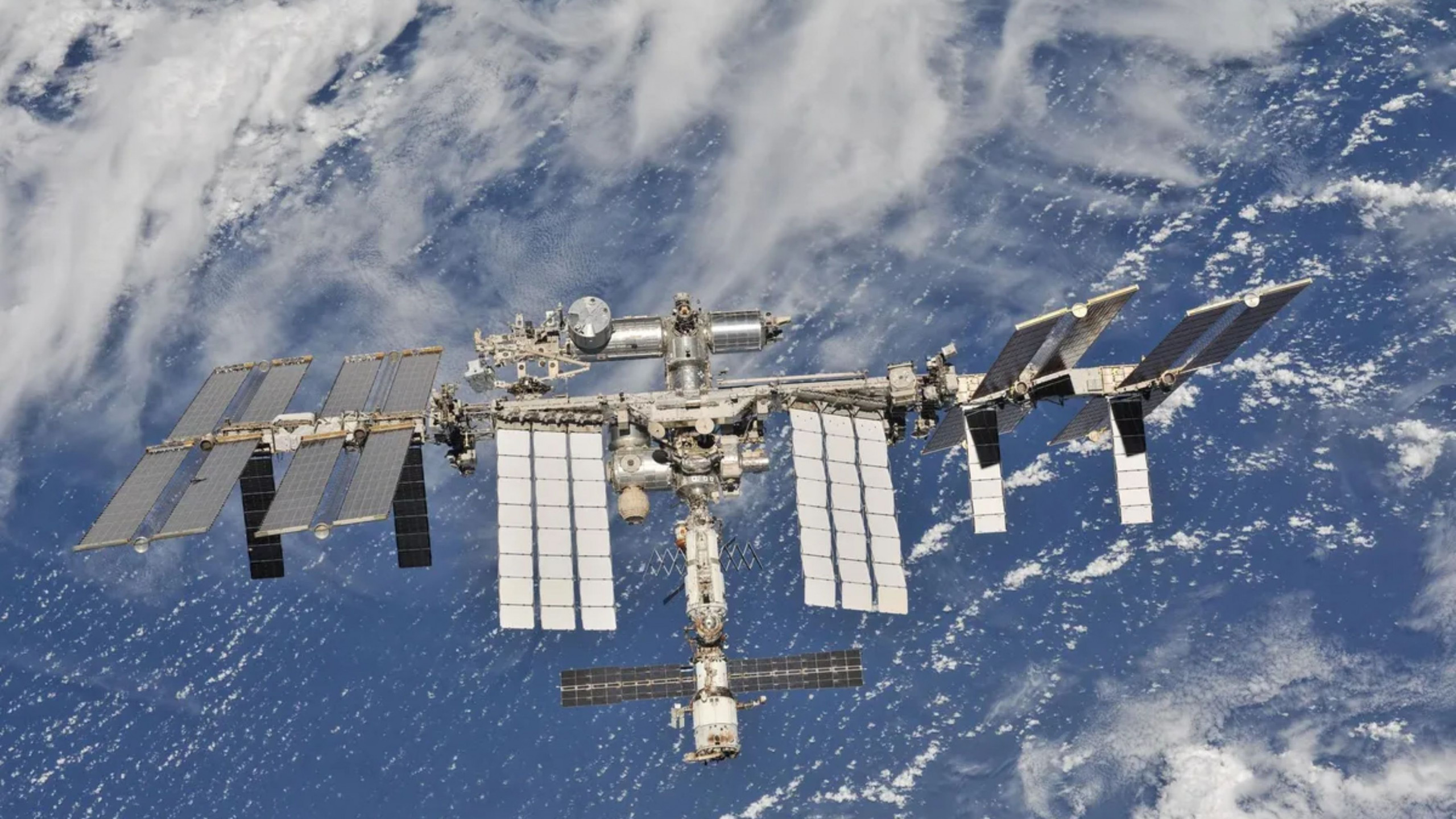
According to a Space publication this Thursday (25), NASA’s strategy to remove the International Space Station from operation at the end of the decade became the target of questions from marine conservation experts and a United States oversight body. The plan envisages taking the structure to a remote area of the Pacific Ocean but environmentalists argue that the measure requires a broader analysis of possible environmental impacts.
Criticism arose after the release of a Government Accountability Office (GAO) report which details the timeline for the station’s decommissioning and transition to future commercial platforms in low Earth orbit. At the same time, the Ocean Foundation stated that the procedure exposes flaws in international rules on the disposal of space debris on the high seas.
Although the objective of the operation is to reduce risks to inhabited regions, environmental organizations maintain that the lack of conclusive studies on the effects of falling debris on the marine environment makes it necessary to expand the debate before implementing the plan.
Experts demand environmental assessment before ISS re-entry
According to the schedule described in the GAO report, the International Space Station will begin to lose altitude between 2028 and 2029, initially with the help of the natural resistance of the atmosphere and maneuvers carried out by the Russian segment of the station. In the next stage, a United States Deorbiting Vehicle, developed by SpaceX for NASA, will be attached to the orbital complex to conduct its controlled re-entry into the atmosphere.
The document states that the structure should be directed to Point Nemo, a region in the South Pacific known for being further from inhabited areas than any other point on the planet. The space agency’s expectation is that a large part of the station will disintegrate during reentry, while more resistant components will reach the bottom of the ocean.
For the Ocean Foundation, however, the choice of location highlights a deficiency in international legislation. As Mark Spalding, president of the organization, explained, current regulations establish compensation when space debris causes damage to a country’s territory, but do not create a similar obligation when impacts occur in international waters.
When commenting on the matter to Space.com Spalding acknowledged that there is justification for selecting an isolated area of the planet, but argued that this does not eliminate the need for environmental protection. “The distance of the ocean from human infrastructure should not be confused with a lack of value or vulnerability. The ocean and its inhabitants deserve the same protection that international law offers to national territories.”

Fish swimming in a canyon at the bottom of the Pacific Ocean (Image: Damsea/Shutterstock)
Another point raised by the entity concerns the lack of detailed information about the materials that will resist atmospheric reentry. According to Spalding, there are still not enough studies to indicate which components will reach the seabed or what consequences they could have on marine ecosystems.
The organization also argues that the possible impacts are not limited to the moment the debris reaches the ocean. In the foundation’s assessment, the process of atmospheric reentry of the largest structure ever removed from orbit deserves specific studies to measure possible environmental effects.
According to the Ocean Foundation, another relevant aspect involves the BBNJ Agreement, an international treaty aimed at protecting biodiversity in areas beyond national jurisdictions. The entity understands that, given the uncertainties about the environmental impacts of the operation, it is pertinent to discuss whether the deactivation of the ISS should be subject to the requirements set out in this instrument.
Among the measures advocated by the organization are carrying out a complete assessment of environmental effects, public disclosure of materials that will reach the seabed and a legal analysis of the obligations set out in international agreements related to the protection of the oceans.
Source: www.olhardigital.com.br
Source link