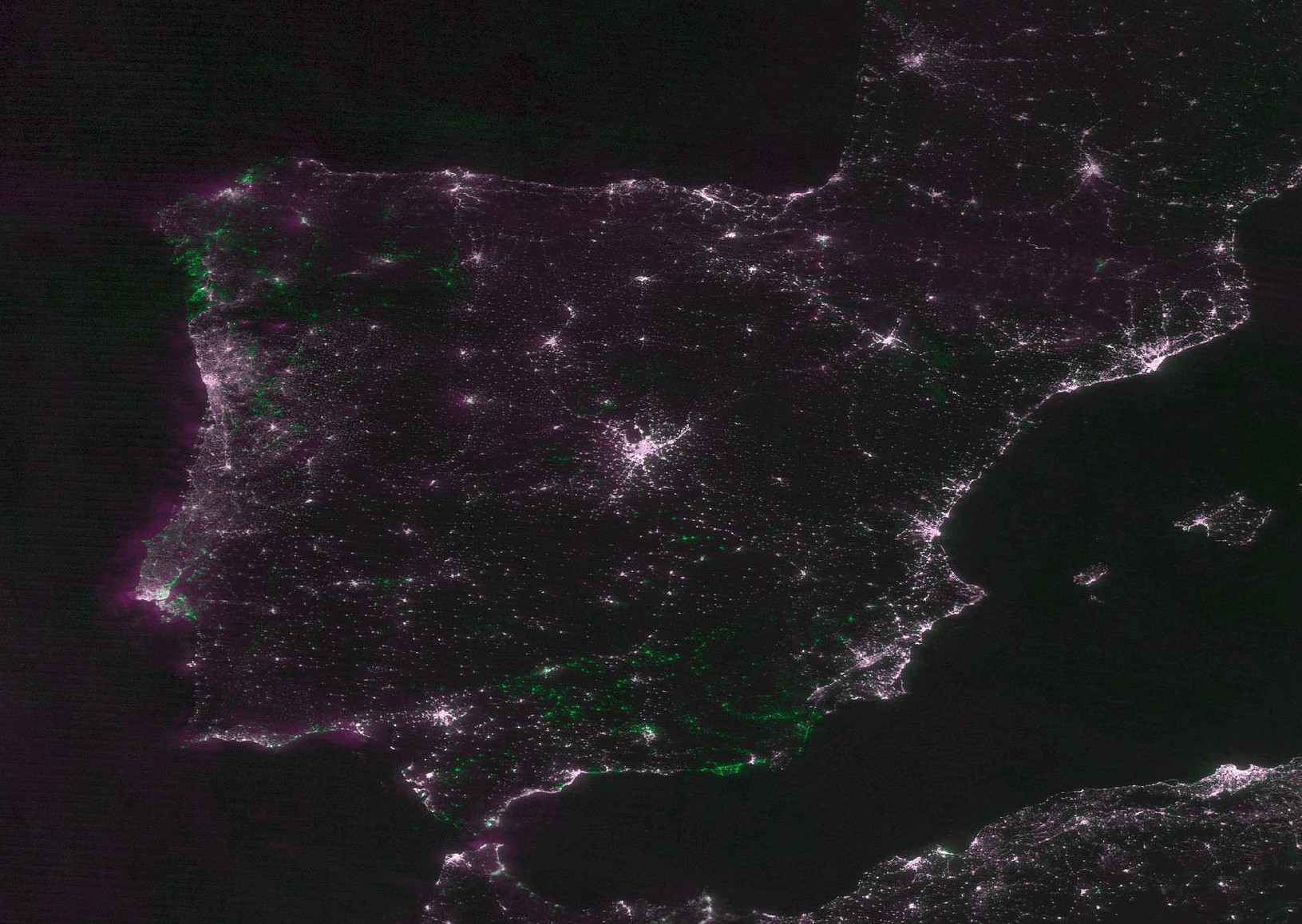
April 28 marks one year since the blackout that exposed a weakness that many organizations preferred to ignore: in a hyperconnected world, failure is no longer an exception. It’s inevitable.
For many years, technology has been associated with control. More advanced systems, greater automation and real-time data created the perception that organizations were more prepared for any scenario. However, recent events have shown the opposite: the more connected we are, the more exposed we are to chain failures.
Resilience is no longer a question of a company’s robustness but rather depends on the position it occupies in a highly interdependent system. A power outage, a digital disruption or a problem in a logistics chain can spread quickly and affect multiple sectors and geographies. The risk is no longer isolated, it is shared and systemic.
If, on the one hand, technology has brought efficiency, scale and speed, on the other, it is also a vector of vulnerability. The dependence on digital platforms, shared infrastructures and continuous data flows has created faster, but also more fragile, organizations.
A year later, the issue is not technological. It’s structural. The risk is rarely in the central system. It’s in the least visible points: critical suppliers, barely visible integrations or processes that no longer exist in manual format. It is in these less evident points that operational continuity can be compromised.
The human factor is decisive. Despite increasing automation, people continue to interpret, decide and respond in times of crisis. However, the speed of systems is not always accompanied by team formation. When processes fail, it is people who dictate the outcome.
Organizational resilience cannot be reduced to technology or formal contingency plans. It depends on the ability to combine robust systems with operational flexibility, clarity of responsibilities and a culture of rapid response. The most prepared organizations are not necessarily the most technological, but rather those that recognize their weaknesses.
Paradoxically, many organizations continue to operate in seemingly stable environments, which can lead to an underestimation of risk. When disruption happens, the response depends not only on existing infrastructure, but on the ability to anticipate scenarios and test limits.
A year after the blackout, the question is not what happened. It is what has changed and, more importantly, what remains the same.
In an interconnected world, disruption is inevitable. The difference lies in how each organization reacts when everything fails.
Source: www.bing.com
Source link