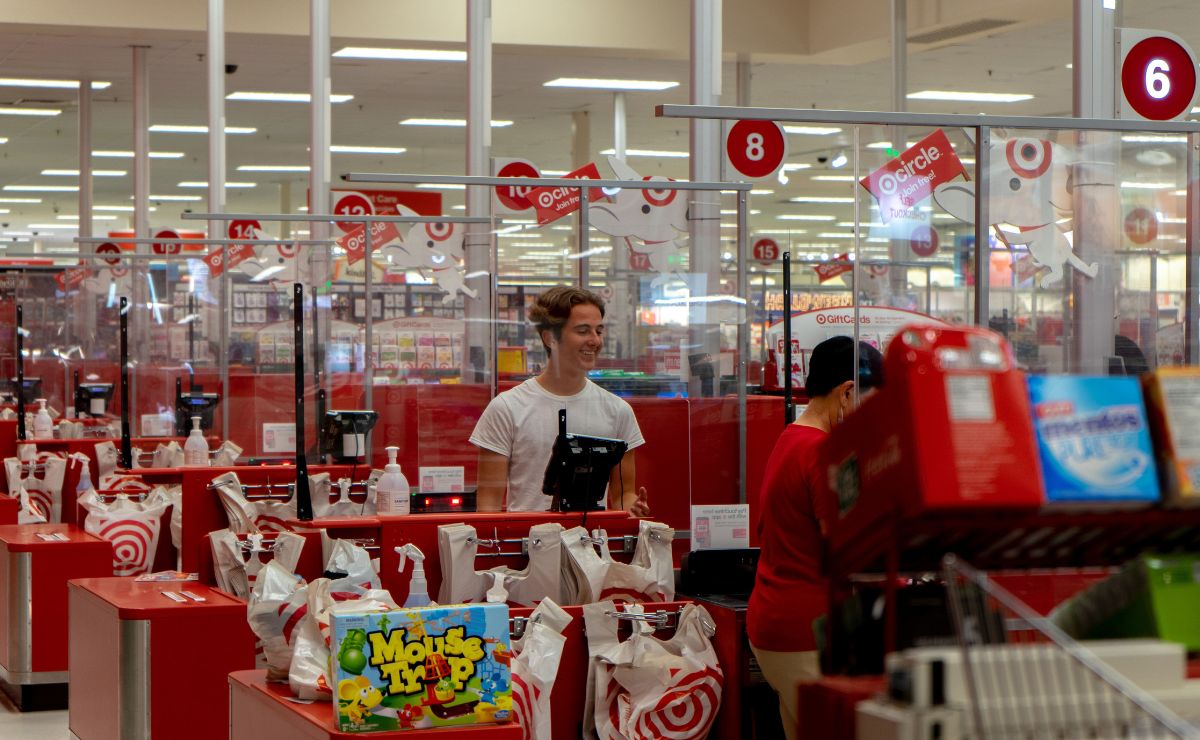
The technology that promises to reduce time in queues of the supermarkets is gaining more and more space in Brazil. Networks like Carrefour, Assaí and Festval expanded the use of self-service tellers, known as self-checkoutsallowing customers to register and pay for their purchases without the need for an operator.
The trend follows a change in consumer behavior and is already seen as one of the main modernization movements in retail. Although the technology still has limitationsexperts point out that it is here to stay and should transform the shopping experience in the coming years. The information is from Portal 6.
What is the self-service teller?
THE self-service cashier is a terminal equipped with touch screen, barcode reader and card or Pix payment system. In it, the consumer registers the products, monitors the total purchase price and makes the payment.
The technology began to gain strength in Brazil in recent years. Assaí was one of the first major chains to test the systemin 2022, at the Anhanguera unit, in São Paulo. The success of the initiative led the company to announce the installation of more than a thousand new terminals in stores across the country.
THE Carrefour also expanded the model to different formats of units, while Atacadão invested in integrating equipment into inventory systems.
In Paraná, the Festival has been investing in technology since 2016. The chain installed self-service terminals and weighing stations at the Centro Cívico store, in Curitiba, in partnership with the company Visual Mix. In Curitiba, Festval is the supermarket chain with the largest number of units.
How technology helps reduce queues in supermarkets
THE main advantage highlighted by retail chains is the agility. At Carrefour, for example, the implementation of self-service resulted in a average saving of 15 seconds per transaction compared to conventional tellers.

In addition to speed, the system can also bring operational gains. Atacadão integrated the terminals with the store’s inventory controlreducing divergences between prices displayed on the shelves and those registered at the time of payment.
Real-time synchronization reduces errors and increases reliability information to consumers.
What are the challenges of technology that reduces queues in supermarkets
Despite advances in technology, the system still faces limitations. The networks themselves recommend the terminals, mainly for smaller purchases, usually with up to 20 items.
Among the main obstacles are products no barcode, damaged labels, items sold by weight and very bulky purchases, which tend to slow down the process.
Another challenge involves consumers less familiar with technology, especially part of the elderly public, who still prefer traditional care.
The incorrect registration of goods It also concerns retail. To minimize losses, supermarkets invest in monitoring cameras, sensors and scales that check whether the registered products correspond to the items placed in the packaging area.
Even so, Controlling theft and registration errors continues to be one of the main challenges of systems self-service services around the world.
Why the trend is expected to grow in the coming years
Consumer preference helps explain the expansion of technology. Research by the São Paulo Supermarkets Association (Apas) revealed that seven out of ten Brazilians already prioritize using self-checkout to complete their purchases.
At the same time, the sector faces Difficulties in filling job vacancies. Data from the Brazilian Supermarket Association (Abras) showed the existence of 357 thousand jobs open in the country by the end of 2025.
Companies argue that the Automation helps meet part of this demand for laboralthough experts note that the creation of new functions linked to the maintenance and operation of systems still occurs at a slower pace than the adoption of technology.
While large chains accelerate the implementation of terminals, medium-sized supermarkets and regional companies move forward more cautiously due to the cost of equipment. In smaller cities, traditional cash is still expected to remain predominant for several years.
Even so, the market direction appears set. Brazilian retail is transforming the way consumers shop, and self-service tends to occupy an increasingly larger space within supermarkets.
Source: www.bing.com
Source link