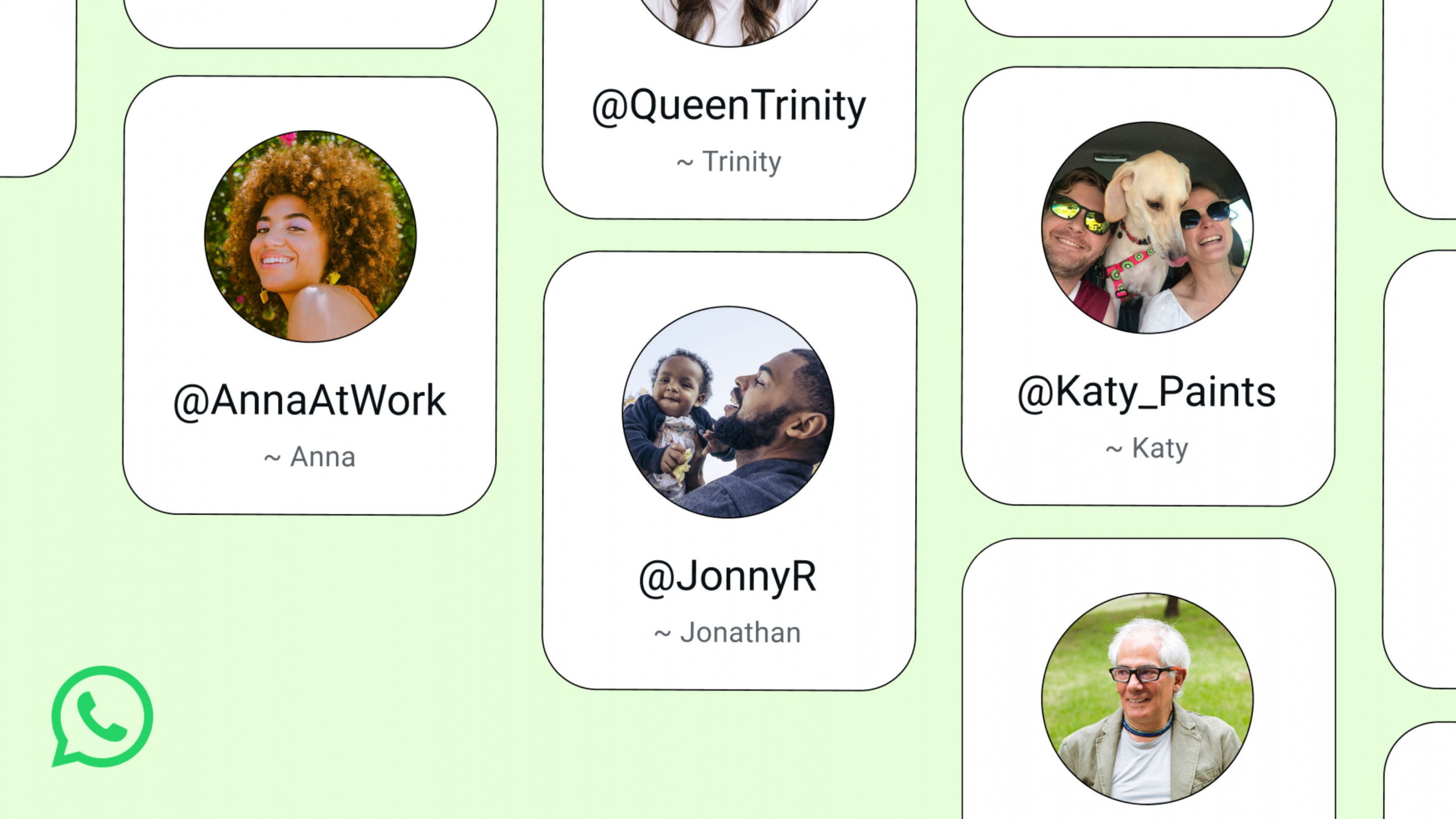
The Meta app has started the gradual release of a new feature on WhatsApp that allows users to reserve identifying names, replacing the exclusive use of phone numbers. The change changes the way people meet and interact on the platform.
The novelty, which should be expanded throughout the year, is already causing concerns in different countries, particularly India, where authorities and experts warn of risks of fraud and identity forgery. The debate gained momentum after initial tests identified possible cases of misuse of the names of public figures.
While the company claims that it adopts measures to protect official identities, regulatory bodies and digital security experts question whether the model could open new loopholes for scams and impersonations.
New digital identification logic and security dispute
The username system introduces a structural change in the functioning of WhatsApp, which until then depended on the phone number as the main identifier. With the update, communication also occurs through “usernames” chosen by Internet users themselves.
Recently, several names associated with public figures and institutions were available for reservation, including references to politicians, celebrities and financial entities. Among them, variations linked to the Prime Minister of India, Bollywood actors and large business groups emerged.
According to the Goal, there will be a preventive reservation of some names linked to authorities, governments and public figures, with the aim of preventing misuse. However, the company did not detail specific criteria to define which variations would be blocked.
The concern reached the Indian government. India’s Ministry of Electronics and Information Technology said the feature could increase cases of phishing, fraud and “fake digital identity” scams, as well as facilitate misleading contacts without exposing phone numbers.
In a position cited in the text, the agency asked WhatsApp for formal explanations and questioned the continuation of the launch without additional consultations. It also indicated the possibility of legal measures under local legislation.
Digital rights groups criticize state intervention. According to the Internet Freedom Foundation case-by-case regulation could give the government excessive power over platform design decisions, which would make predictability difficult for companies and users.
Security, privacy and impersonation risks
Cybersecurity experts adopt an ambivalent reading of the change. For Rachel Tobac, CEO of SocialProof Security, the feature can reduce risks associated with the exposure of phone numbers, such as chip swap attacks and phishing.
In an interview with TechCrunch she stated: “Ultimately, usernames are a great idea to avoid exposing your phone number to people you don’t know, but it’s also important to verify identity through this username function.“
Continues after advertising
Despite this, she recognizes that similar names can still be used in fraud attempts, which would require users to pay attention to verifying their identity.
The Mozilla Foundation organization also points out risks. According to the entity, the new system could increase cases of scams and impersonation, as telephone identification would no longer function as a validation tool.
On the other hand, Meta states that it will allow the linking of usernames from Instagram and Facebook accounts to WhatsApp, seeking to reduce inconsistencies and facilitate the identification of legitimate profiles within the ecosystem itself.
Source: www.olhardigital.com.br
Source link