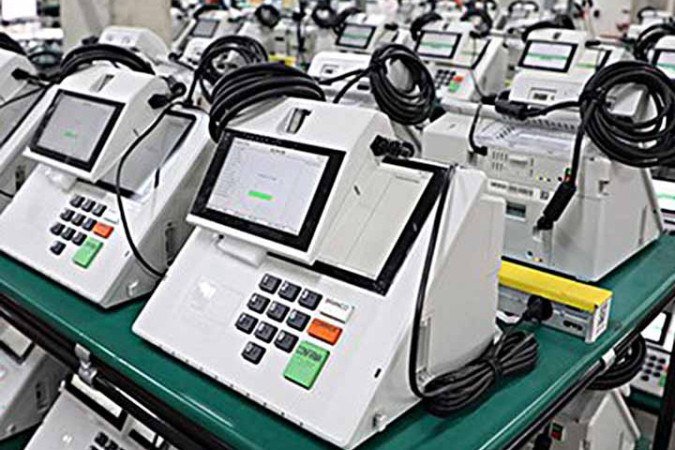
The race to regularize voter registration on the eve of the elections marks the consolidation of one of the biggest transformations in the voting process in Brazil: biometrics. This technology, which uses fingerprints to identify voters, has become a key element in ensuring voting security and modernizing democratic participation in the country.
Implemented gradually by Superior Electoral Court (TSE) over more than a decade, the biometric system began as a pilot project in 2008 in the municipalities of São João Batista (SC), Fátima do Sul (MS) and Colorado do Oeste (RO), and was created with a central objective: to prevent identity fraud. By associating each citizen’s registration with unique and non-transferable physical characteristics, the Electoral Justice ensures that one person cannot vote in another’s place.
The change eliminated the possibility of using false documents or the titles of deceased voters to manipulate results. The registration process involved collecting fingerprints from all fingers on the right and left hands, as well as a photograph and scanned signature, creating a robust and secure database.
How biometrics work in practice
On election day, the voter presents himself at the polling station with an official document with photo. Instead of just signing the voting book, he places one of his fingers on the biometric reader attached to the electronic ballot box. The system performs instant verification and, after confirming identity, releases the ballot box for voting.
The procedure is quick and intuitive. If the reader does not recognize the fingerprint after a few attempts, the poll worker can ask questions to confirm the identity and release the vote manually, allowing the voter to sign the voting book, as in the old method. This is a security measure to ensure that no one is prevented from voting due to technical failures.
Biometric technology has also facilitated access to online services, such as issuing a e-Título. The official Electoral Justice app works as a digital version of the document. For voters with biometric registration, the e-Título displays a photograph and can be used as official identification on voting day.
Today, the system is implemented for approximately 87% of the Brazilian electorate, with around 135 million voters registered biometrically, representing a fundamental advance in the transparency and reliability of the electoral process. Digital identification transformed the old paper title into a security tool that guarantees the integrity of each vote.
An AI tool was used to assist in the production of this report, under human editorial supervision.
Source: www.bing.com
Source link