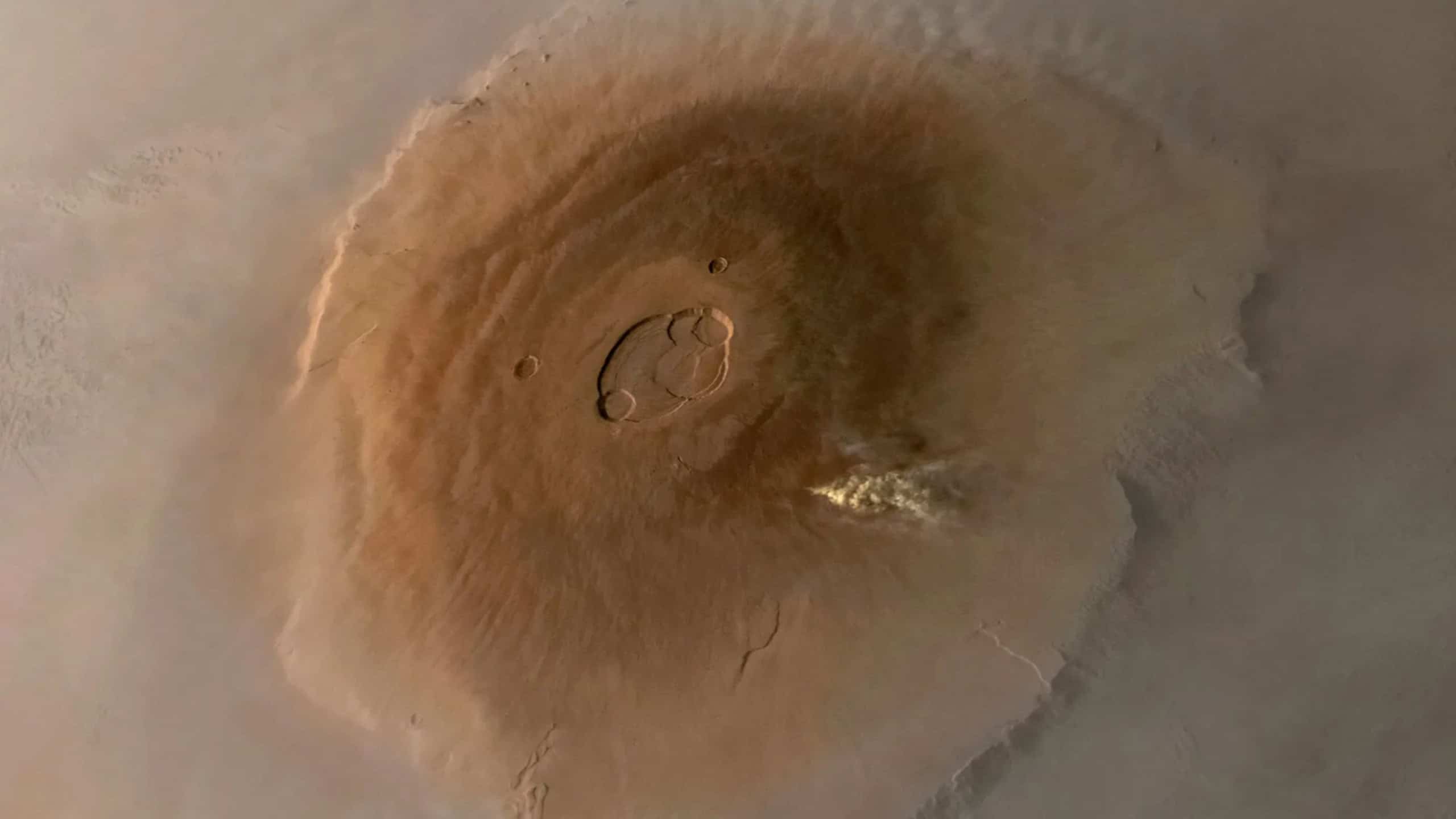
NASA’s Perseverance rover found complex organic carbon in two sedimentary rocks inside Jezero Crateron Mars. The analysis was carried out on mudstones from the region called Bright Angel, associated with an ancient river system. The scientific research behind this study was published this Wednesday (24) in the journal Science Advances.
The measurements were carried out with the SHERLOC instrument, which uses lasers to map chemical compounds. The data indicates hundreds of detections of carbon in rocky material that had previously been considered promising in the search for signs of life.
According to the researchers involved, the formations analyzed present characteristics that may be linked to ancient biological processes, although there are also possible non-biological explanations.
Analysis and results of the mission in Jezero
The data collected by Perseverance indicates the presence of macromolecular organic carbon in two sedimentary rocks, both located in an area that had already been the target of previous investigations into possible biosignals.
The samples present internal differences. In one of them, carbon appears associated mainly with silicates. In the other, it is linked to minerals such as sulfates and carbonates. In both cases, the analyzed material presents relative preservation against degradation caused by radiation and oxidation.
The researchers also point out that some structures found in the sediments resemble patterns that, on Earth, may be associated with the activity of microorganisms in ancient environments.

The study area, inside the Jezero Crater, had previously attracted attention for housing the rock known as Cheyava Falls, which presents marks called “leopard spots”, considered potential indicators of geological or biological processes.
Despite these observations, scientists reinforce that the presence of organic carbon is not conclusive proof of life. They explain that organic compounds can also arise through non-biological processes, such as by geological reactions or the deposition of meteorites.
The study was published in the journal Science Advances on June 24, you can check it out by clicking here.
Source: www.olhardigital.com.br