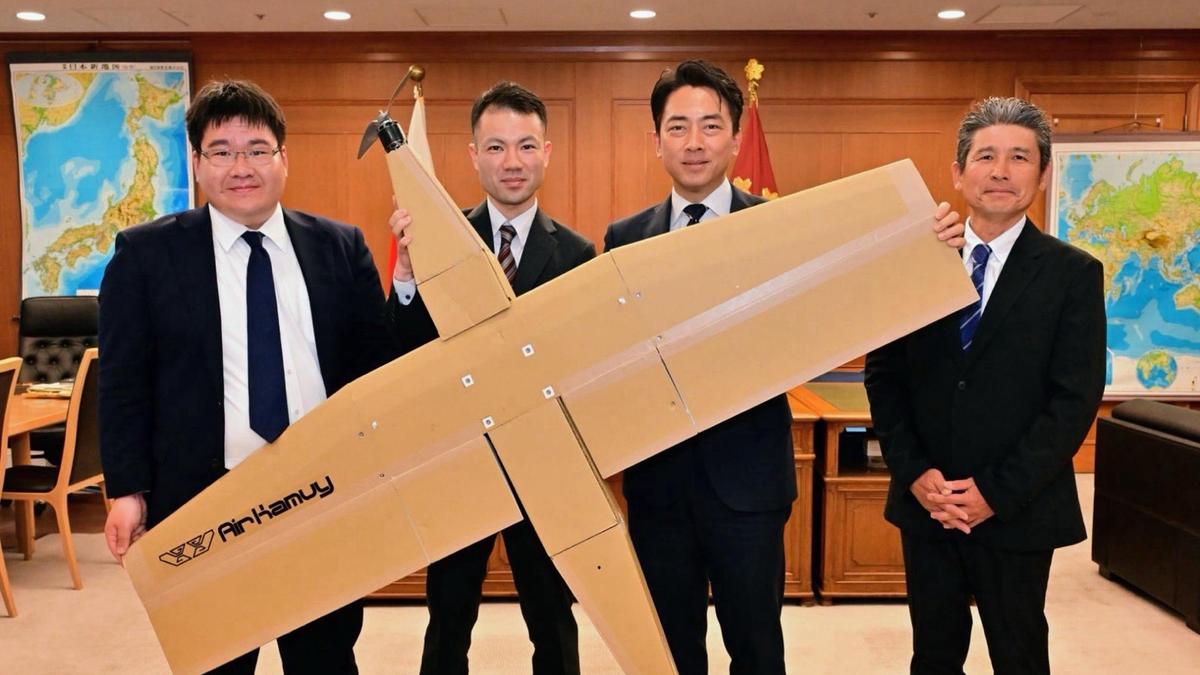
AirKamuy 150 drone. Image: AirKamuy / Disclosure
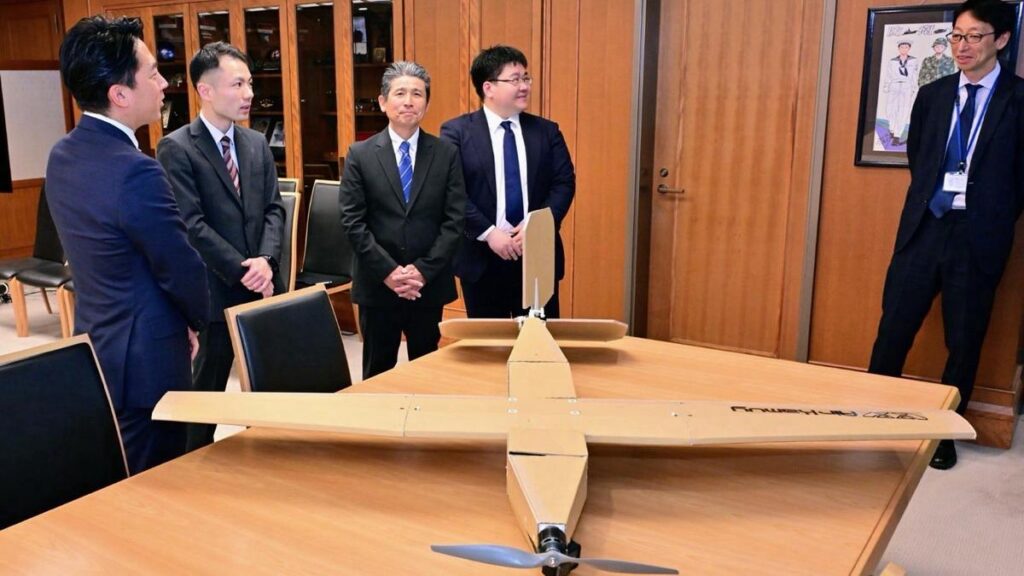
Although unusual, the cardboard — simple and low-cost material — became part of a nnew japanese military strategy. The country adopted the AirKamuy 150one drone developed by Japanese startup AirKamuywhich uses corrugated cardboard in its structure.
The aircraft has already been incorporated by Japan Maritime Self-Defense Forcewhich draws attention because it is an unconventional material for military applications.
According to information released, the drone can reach speeds of up to 120km/h and stay in the air for more than 80 minutes. It also has the capacity to carry loads of up to 1.4 kg and is considered more difficult to detect by radars in certain scenarios.
The novelty was presented by the Japanese Defense Minister, Shinjiro Koizumipublished on the X network. The equipment is currently used as a target in military training, although there is still no confirmation on its application in operational missions, such as reconnaissance.
The advantage of cardboard
The main difference of the project is in the cost. Each unit of the AirKamuy 150 is estimated between US$ 2 thousand and US$ 2.5 thousand — significantly lower value than traditional military drones.
For comparison, the Iranian drone Shahedused in the conflict between Russia and Ukraine, costs between US$20 thousand and US$50 thousand.
In addition, the Japanese model can also overcome most expensive drones in speedlike the American drone Lukevalued at around US$10 thousand.
Another highlighted point is that the cardboard reflects fewer radar signals than metallic materials, which can reduce its signature and make detection more difficult.
Rapid production and large-scale use
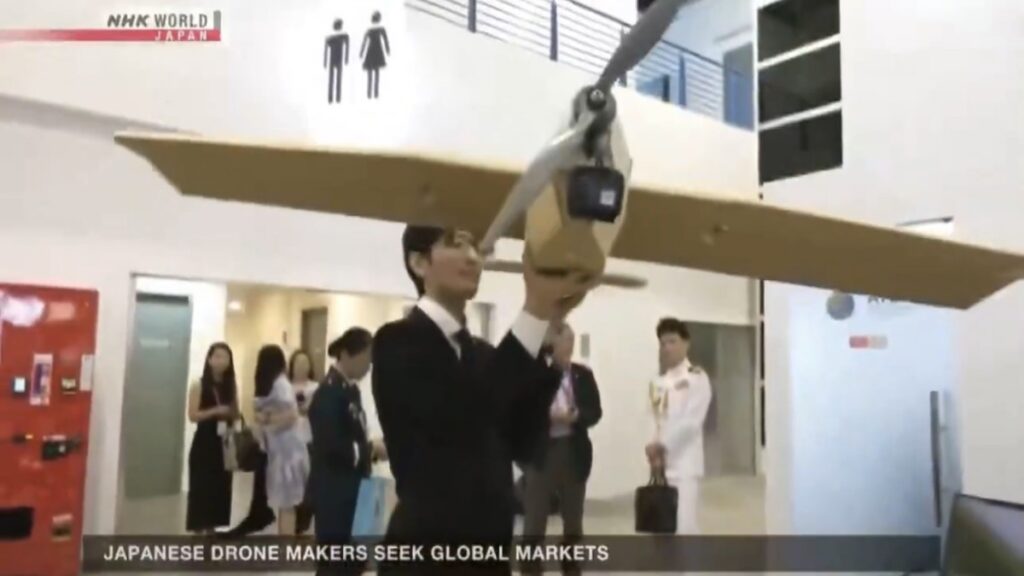
The AirKamuy 150 can be shipped disassembled and quickly assembled in the field, without the need for complex tools. This facilitates large-scale production and simultaneous use of multiple units.
The proposal also allows decentralized manufacturingwith simple workshops capable of producing the parts, which increases the scalability of the system.
Why disposable?
Because it is made of cardboard, the drone has reduced service life and is considered practically disposable. The strategy behind this is to saturation of enemy defenses: instead of a few expensive and sophisticated equipment, a large number of cheap drones are used to overload defense systems.
This model is part of a trend towards diversifying suppliers and reducing dependence on large manufacturers, allowing greater agility in mass production.
The initiative integrates a reorientation of Japan’s defense policywhich has a budget of about 9 trillion yen (approximately R$297 billion), with part of the resources allocated to autonomous systems.
*Under the supervision of Renan Dantas.
Source: www.moneytimes.com.br
Source link