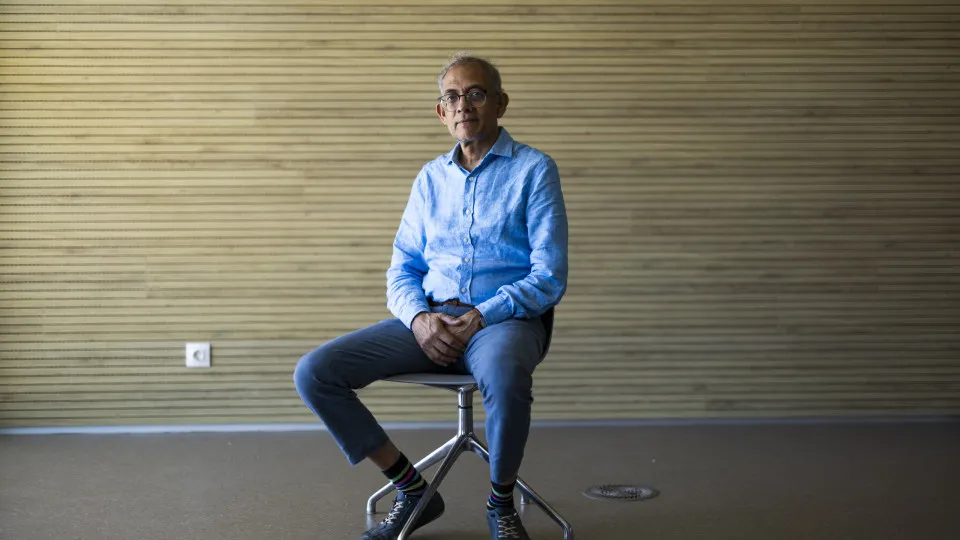
“The artificial intelligence project generated so much enthusiasm that we were unable to think about all the consequences”, he said in an interview with the Lusa agency, arguing that “at some point it is necessary to think about how to tax spending on AI”.
In this sense, he considers that it is also necessary to reflect on the cost of water, since in some places AI consumes large quantities of this resource — including in very dry regions —, which indicates an inadequate assessment of prices. According to him, “they are taking advantage of this and building data centers in slightly unexpected locations”.
“We need a pricing policy for all these resources that are being used”, he argued, also highlighting the impacts of this technology on the labor market and the possible costs that the State will have when compensating workers who lose their jobs.
There are already taxes aimed, for example, at greenhouse gas emissions, such as the carbon tax, and a similar model could be applied to water, he suggested.
“There are so many resources being used by AI that are having impacts on the rest of the world,” he said.
Artificial intelligence (AI) services consume more water than other applications. Generating 10 to 50 text responses by a generative AI tool, for example, can require about half a liter of water, according to a University of California study.
According to an information note from the Spanish platform Maldita, “AI services require more water than other typical data center applications”, and the generation of images by AI tools also demands more energy and, consequently, more water.
Abhijit Banerjee received the Nobel Prize in Economics in 2019, along with Esther Duflo and Michael Kremer. The three were awarded for their “experimental approach to alleviating global poverty”, according to the Royal Swedish Academy of Sciences.
The studies carried out by the laureates “introduced a new approach to obtaining reliable answers about how best to reduce poverty in the world”, the Academy added.
Source: www.noticiasaominuto.com.br
Source link