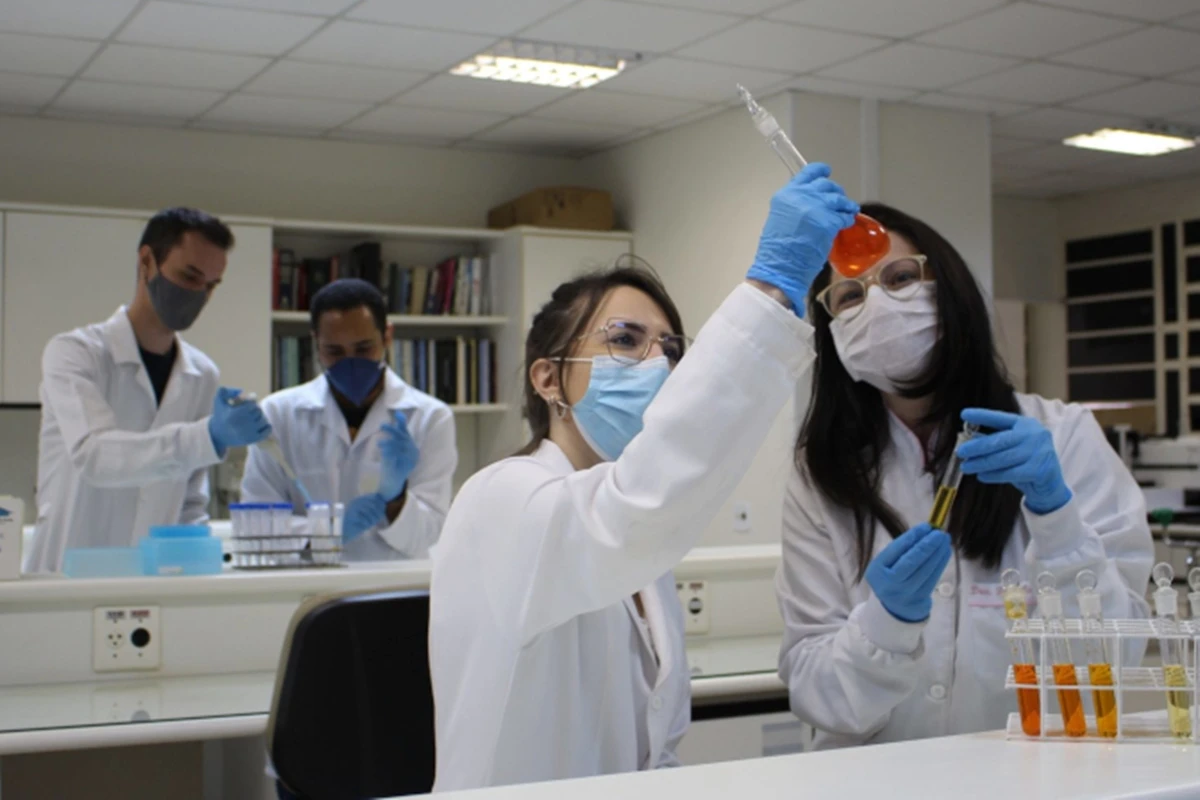
Brazilian researchers are developing nanoparticles with the ability to transport therapeutic RNA molecules to skin cells (those that make up the skin) and silence the genes responsible for chronic inflammation. Technology can make the treatment of skin diseases such as psoriasis and vitiligo, more accurate and efficient.
The initiative is being carried out by scientists linked to the NanoGeneSkin laboratory, at the University of São Paulo (USP), in Ribeirão Preto, in interior of São Paulo. The research results were presented this week at Fapesp Week London, an international symposium promoted by the São Paulo State Research Support Foundation (Fapesp) in the United Kingdom.
Institutions such as the National Institute of Science and Technology (INCT) of Pharmaceutical Nanotechnology and the National Council for Scientific and Technological Development (CNPq) have also supported the work.
“We began this research work 20 years ago and, over this time, we have acquired experience in obtaining and characterizing lipid nanoparticles to release not only drugs, but also interference RNAs (molecules that interact with target genes), with the aim of treating chronic skin diseases, such as psoriasis, skin cancer and vitiligo”, highlights the coordinator of NanoGeneSkin and INCT, Maria Vitória Bentley, in an interview with the Agency Fapesp.
How technology helps in the treatment of psoriasis and vitiligo
While psoriasis is a chronic disease caused by the exaggerated production of pro-inflammatory cytokines, vitiligo causes the destruction of the cells that produce skin color pigment, called melanocytes. Despite being different, Both diseases have specific overexpressed genes, which are abnormally active, generating the condition.
According to Maria Vitória, the technique is based on identifying which target genes are and using specific complementary RNA to silence them and interrupt the abnormal activity. In an example provided by Agência Fapesp, it is like intercepting and destroying the manufacturing order before it reaches the assembly line.
As a result of application, the cell’s inflation levels reduce until they are healthyeliminating the need to use medications that act throughout the body and increase the risk of side effects.
The RNA used in the technique is fragile and easily attacked by the body’s enzymes. Furthermore, the skin’s biological barrier is quite efficient in preventing penetration. This is where nanotechnology comes in. Researchers used it to encapsulate genetic material, protecting it and, at the same time, helping it enter the body.
To date, the results have been validated in cells grown in the laboratory and in animals with psoriasis-like lesions. In addition to skin diseases, there is another front in research with the potential to be used in the production of vaccines, including one against cancer.
According to Maria Vitória Bentley, coordinator of NanoGeneSkin and INCT, The next step of the work will be to think of alternatives to transform the technique into a product and commercialize it. “Companies have already shown interest in licensing the technology, and the group is in talks to evaluate clinical translation paths – the process of taking a discovery from the laboratory to the patient”, he concludes.
Source: www.bing.com
Source link