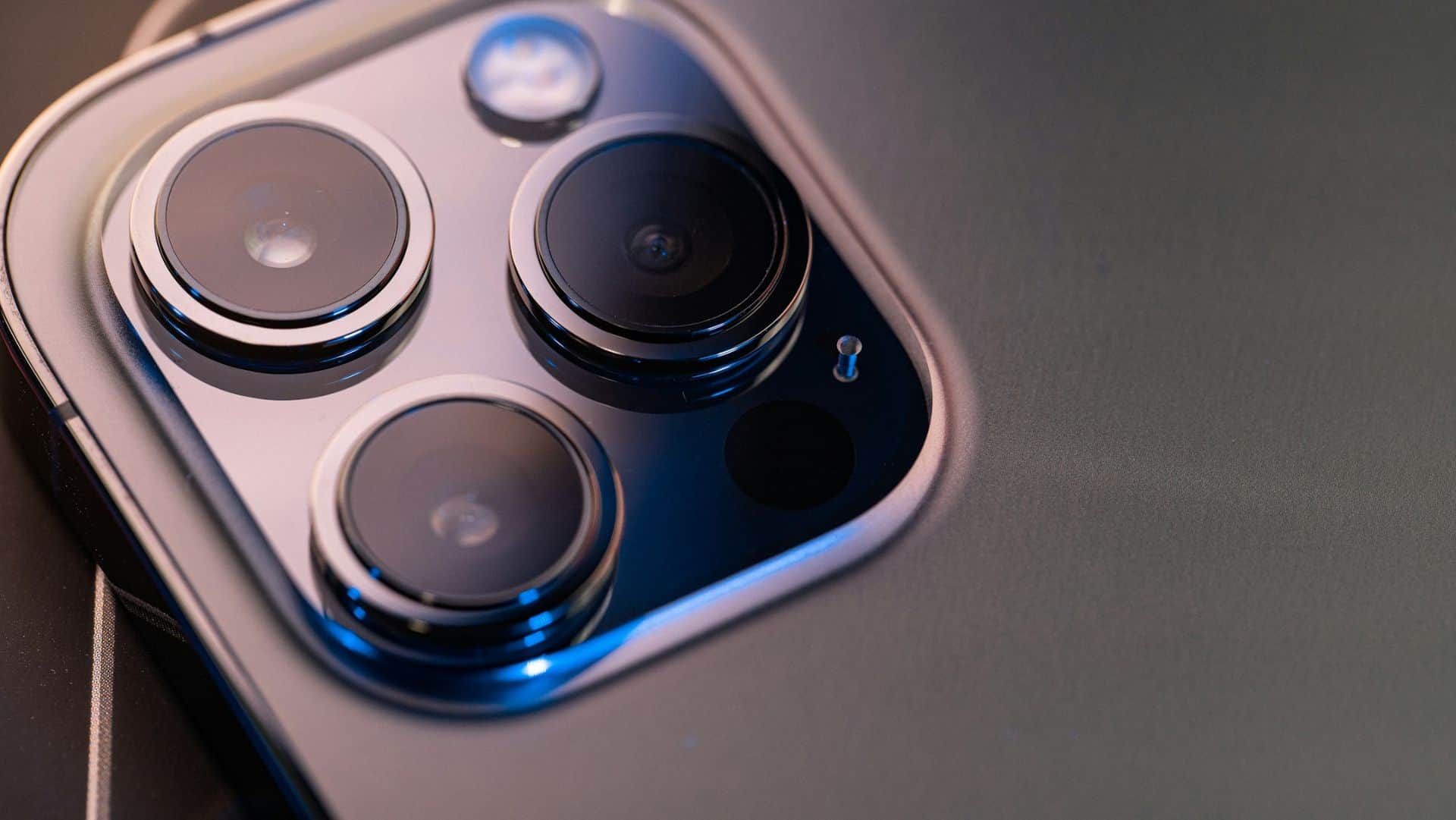
Researchers at the Massachusetts Institute of Technology have developed a technique capable of transforming LiDAR sensors present into smartphones premium in tools to detect objects hidden out of the field of vision. The study was published in May this year by the scientific journal Nature, read here.
The proposal, developed by Siddharth Somasundaram and his team, uses a new method of processing light signals to interpret almost imperceptible reflections captured on walls and floors. With this, the system can reconstruct shapes and track movements located behind physical obstacles.
The research represents an advance because technologies of this type used to rely on expensive and bulky laboratory equipment. Now, according to the authors, the application can work with low-cost sensors already available in consumer devices.
For those in a hurry:
- Technique created by MIT researchers makes common LiDAR sensors detect hidden movements behind physical barriers;
- System takes advantage of light reflections discarded by conventional devices to reconstruct objects outside the line of sight;
- A study shows that cell phones and wearable devices could gain advanced spatial perception capabilities in the coming years.
New processing expands capabilities of common sensors
LiDAR sensors work by emitting pulses of light capable of measuring distances based on the return time of the reflected signal. Currently, this technology supports augmented reality features, image depth and three-dimensional mapping in some smartphones and humanoid robots.
The difference presented by the scientists lies in the way the device interprets extremely weak light signals spread throughout the environment. Instead of ignoring these indirect reflections, the algorithm brings together information captured at different angles and times to form an estimate of what the hidden object might be.
During the tests, the researchers positioned mannequins, letters and cardboard structures behind partitions and walls, out of direct visual range of the sensor. The equipment was aimed at surfaces close to obstacles, such as the floor and side walls.
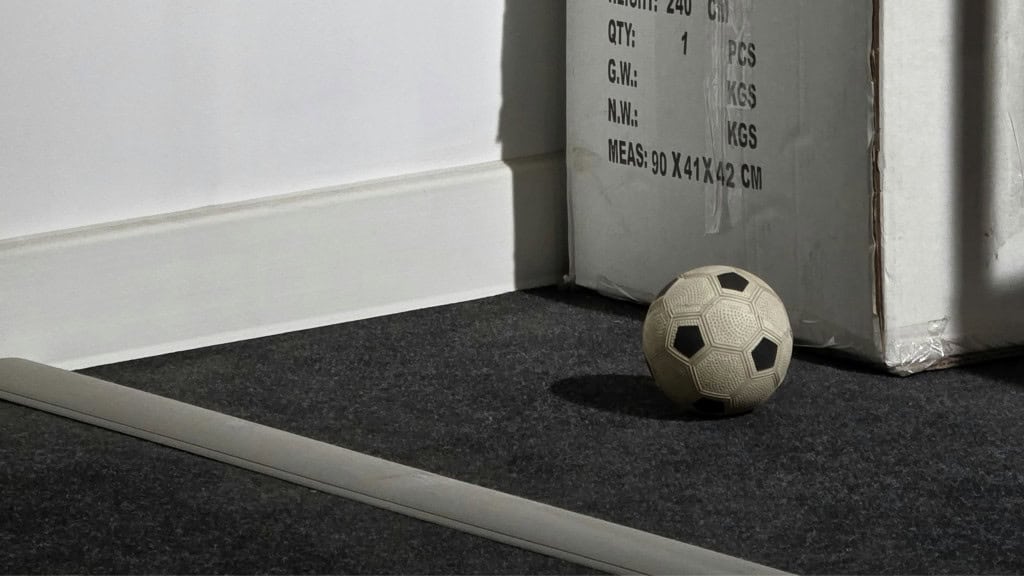
Even without direct visual contact, the system was able to track movements in real time and generate simplified three-dimensional reconstructions of hidden items. The experiments used a commercial standard LiDAR sensor valued at less than US$100.
The authors stated that the study brings this type of technology closer to everyday use. “Our results represent a shift toward plug-and-play NLOS imaging, in which anyone can view hidden objects with commercial hardware and without additional configuration.”, wrote the MIT researchers in the article published by the journal Nature.
According to those responsible for the research, the tool still performs better when the software has some prior reference about the format of the monitored object. The next steps should focus efforts on identifying unknown structures or those with variable shapes.
In the team’s assessment, the popularization of the technique could open up space for new applications in robotics and wearable devices. “We believe the democratization of these capabilities will drive consumer applications for NLOS imaging”, recorded the authors of the scientific study.
Source: www.bing.com
Source link