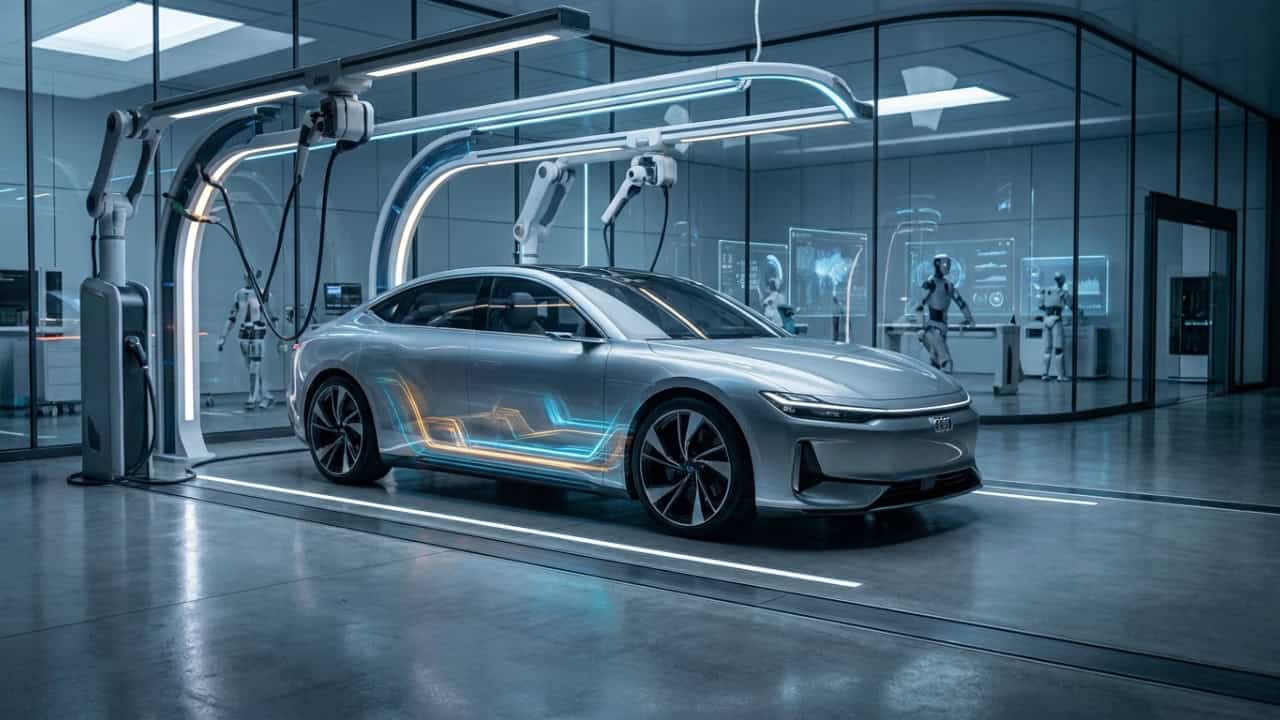
The new generation of long-lasting batteries for electric cars is transforming the automotive sector on a global scale. Furthermore, these advances are extending autonomy and significantly reducing recharging time. Therefore, understanding how these technologies work helps to understand the future of electric mobility. However, each battery model has specific characteristics that impact performance and cost.
How do new long-lasting batteries for electric cars work?
According to US Department of Energy research on advanced batteries for electric vehicles new storage systems use more stable and energetically dense materials. In this sense, technologies such as improved lithium-ion and solid-state batteries increase energy efficiency and reduce thermal losses. Furthermore, these systems allow for a greater number of recharge cycles without significant degradation.
Therefore, the advancement of these batteries is directly linked to the evolution of the materials used in their electrodes and electrolytes. However, large-scale production still faces technical and economic challenges. Therefore, the automotive industry continues to invest in research to make these solutions more accessible.
⚡ High energy density
More energy stored in less physical space.
🔋 Greater durability
Supports more recharge cycles without significant loss.
🚗 Automotive Efficiency
Improves the autonomy of modern electric vehicles.
What are the main battery models for electric cars today?
The most used models today include lithium-ion batteries, which dominate the market due to the balance between cost and performance. Furthermore, LFP (lithium-iron-phosphate) batteries have been gaining ground due to their greater thermal safety. Therefore, these technologies are widely applied in urban and medium-sized vehicles.
However, solid-state batteries represent the next big evolution in the industry. Thus, they promise greater autonomy, faster charging and lower risk of fire. Furthermore, global manufacturers are investing heavily to enable commercial-scale production.
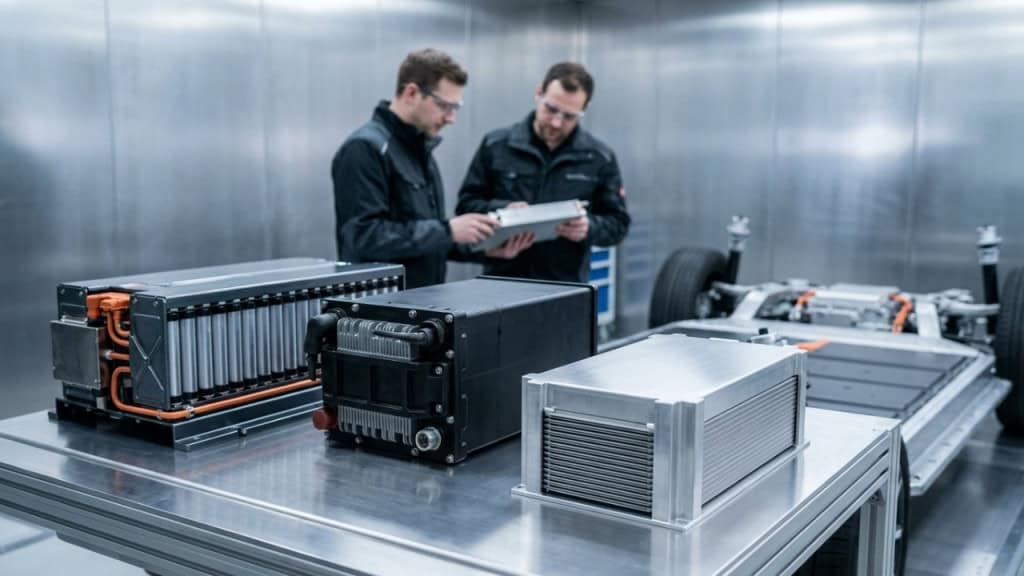
Why are long-lasting batteries revolutionizing the automotive market?
The evolution of batteries is completely changing the way electric vehicles are used on a daily basis. Furthermore, greater autonomy reduces the need for frequent recharging, increasing practicality. Therefore, this directly contributes to the expansion of global electric mobility.
However, the impact goes beyond autonomy, also affecting maintenance costs and sustainability. Thus, electric vehicles become more competitive compared to combustion models. Furthermore, reducing emissions reinforces the role of these technologies in the energy transition.
What to expect from the future of electric car batteries?
The future of batteries points to greater efficiency, lower cost and ultra-fast charging. Furthermore, new research seeks to reduce the use of rare and polluting materials. Therefore, sustainability will be one of the main focuses of the next generation of technologies.
However, there are still challenges related to the production and recycling chain. Therefore, the evolution of the sector will depend on continuous investments in innovation. Furthermore, integration with renewable energy sources should further accelerate this transformation.
Source: www.bing.com