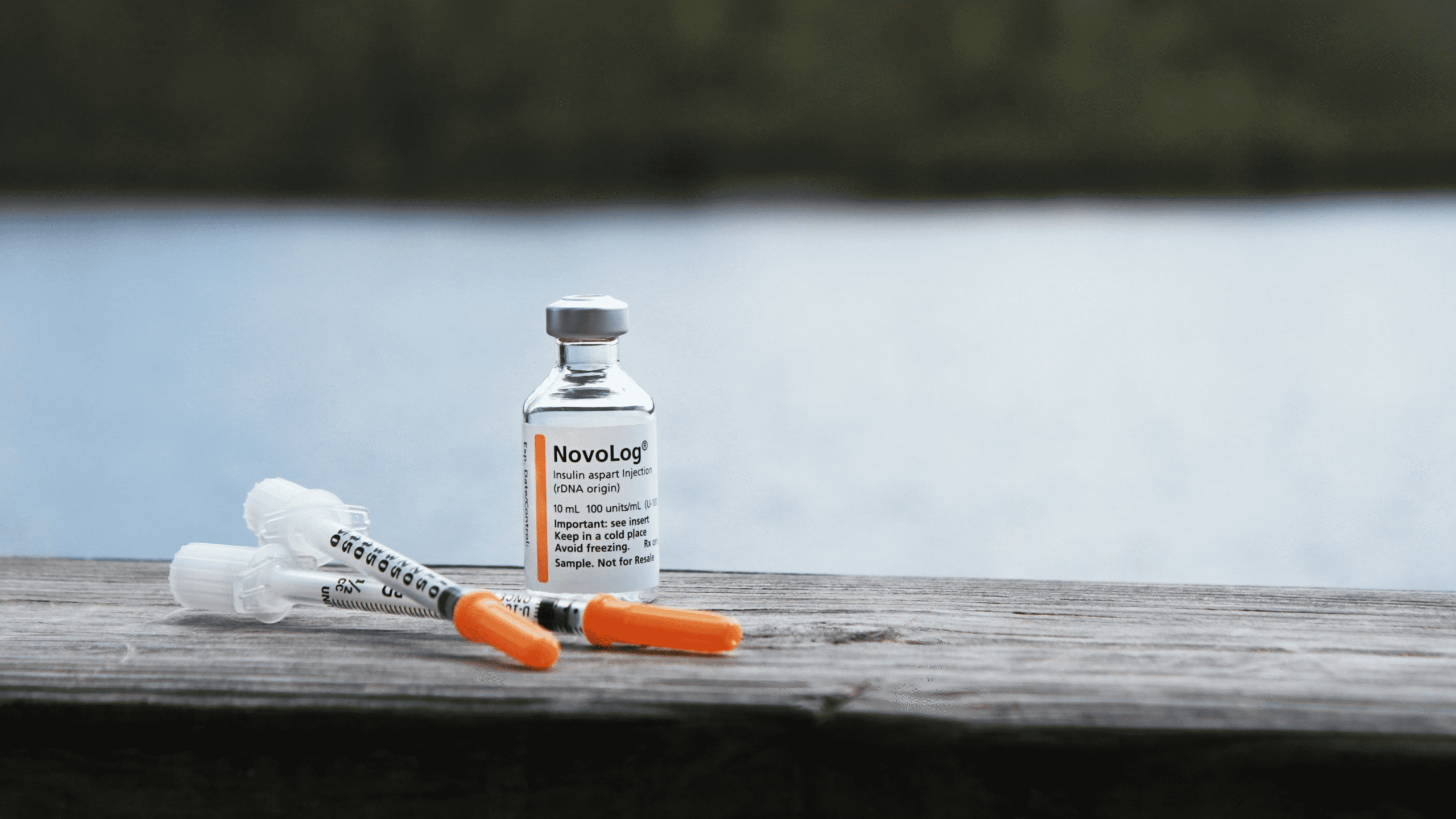
Last Saturday (23), the death of bodybuilder and influencer Gabriel Ganley, aged 22, reignited the debate on the irregular use of insulin among bodybuilders aimed at extreme muscle mass gain. The case occurred in São Paulo and is still being investigated by the Legal Medical Institute, no official confirmation about the cause of death.
Days before his death, the athlete had reported on social media an episode of hypoglycemia after taking insulin during a restricted eating routine. The situation raised discussions about the risks of the hormone when used by people without diabetes and without medical supervision.
Medicine describes insulin as a hormone with anabolic action, capable of reducing muscle degradation, favoring the storage of nutrients and increasing muscle volume, which is why part of bodybuilding began to use it clandestinely in search of greater gains in body mass.
This research published in 2024 by Filippo Giorgio Di Girolamo and his team at the journal Springer Nature already explains how the misuse of insulin in bodybuilding presents relevant health risks. The main risk described is the severe hypoglycemia which may occur due to the direct action of insulin in reducing circulating glucose.
For those in a hurry:
- The use of insulin for muscle gain returned to the center of debate after the death of a 22-year-old bodybuilder in São Paulo;
- Research states that the hormone can increase muscle mass, but also cause severe hypoglycemia and neurological damage;
- Experts point out that the mixture of insulin, anabolic steroids and stimulants increases heart risks and makes anti-doping inspection difficult.
Clandestine use of insulin worries experts
Insulin is considered essential in the treatment of people with diabetes especially in cases where the body stops producing the hormone properly. However, doctors report that the substance also began to circulate in environments linked to bodybuilding, where it is used irregularly to accelerate muscle growth.
Clayton Macedo, director of the Brazilian Society of Endocrinology and Metabolism, explained that the hormone has a real anabolic effect, capable of stimulating protein synthesis and reducing muscle degradation. According to the endocrinologist, this mechanism helps explain why diabetic patients regain weight and body mass after starting appropriate treatment. “Insulin is an anabolic”, stated Clayton Macedo in an interview with G1.
The expert highlighted, however, that use is only medically indicated when there is a hormonal deficiency. According to him, healthy people expose themselves to serious risks when administering the substance without clinical need and without specialized control.
One lifting published in 2024 in the scientific journal Sports Medicine Open and hosted by Nature Springer, identified the frequent presence of insulin in protocols used by bodybuilders. The study evaluated athletes and found that a significant number of them combined the hormone with anabolic steroids and growth hormone.
Why do athletes turn to insulin?

According to the article, the use of insulin among bodybuilders appears associated with strategies aimed at maximizing muscle mass gain in specific training phases, especially when the objective is to quickly increase body volume.
The study describes that, in this context, the hormone is incorporated as part of “metabolic optimization” routines, in which the focus is not just on training, but on manipulating the body’s hormonal and energetic environment.
The authors point out that the logic behind this use is related to the role of insulin in human metabolism as a hormone with strong anabolic action, capable of influencing nutrient storage and protein synthesis.
Within this reasoning, some athletes would use it to try to enhance the use of carbohydrates and amino acids ingested, creating a more favorable scenario for muscle growth during periods of high caloric demand.
The research also highlights that this behavior rarely occurs in isolation. Insulin is often combined with anabolic steroids and growth hormone in informal protocols used in bodybuilding, which researchers describe as an attempt to add different metabolic effects.
This combination, according to the analysis, seeks to intensify mass gain, but also increases physiological instability and the complexity of controlling the effects on the body.
Hypoglycemia can progress to coma

The main immediate threat associated with inappropriate insulin use is hypoglycemia. The picture occurs when blood glucose drops to dangerous levels compromising the functioning of the body and, mainly, the brain.
Continues after advertising
Andrea Fioretti, coordinator of the Department of Sports and Exercise Endocrinology at SBEM, explained to G1 that the insulin produced naturally by the body undergoes adjustments depending on the amount of sugar circulating. The substance applied externally continues to act regardless of the metabolic need.
According to the doctor, intense exercise and restricted eating can further aggravate the problem, especially when the practitioner does not consume enough carbohydrates to compensate for the hormone’s action. Under these circumstances, the body loses its ability to balance glucose levels.
According to Macedo, the first signs usually include tremors, excessive sweating and acceleration of heartbeat. In more severe stages, the lack of glucose in the brain can cause mental confusion, convulsions, loss of consciousness and eat.
Continues after advertising
“A person can sleep and never wake up”, warned Clayton Macedo, director of the Brazilian Society of Endocrinology and Metabology.
Mixture of substances increases heart risks
In the research of Filippo Giorgio Di Girolamo it is said that insulin rarely appears alone in the protocols used clandestinely in bodybuilding. In many cases, it is associated with anabolic steroids, diuretics and stimulants.
Bruno Sthefan, cardiologist and specialist in sports medicine, informed G1 that the combination of these substances increases metabolic wear and overloads organs such as the heart, kidneys and liver. According to the doctor, changes in electrolytes and episodes of dehydration increase the possibility of arrhythmias and cardiovascular collapse.
Endocrinologists also point out that anabolic steroids can reduce HDL cholesterol, raise blood pressure and promote blood clotting processes. Furthermore, the heart tends to undergo hypertrophy due to continuous hormonal stimulation.
Another worrying factor is the difficulty in detecting insulin in anti-doping tests. The European study cited in the report highlights that the substance used artificially is very similar to that produced naturally by the body, in addition to circulating in the blood for a short time.
For doctors, the growth of this type of practice is linked to the dissemination of body standards considered unattainable without the use of hormonal substances. Constant exposure to extreme physiques on social media, according to experts, contributes to trivializing serious health risks.
Source: www.olhardigital.com.br
Source link